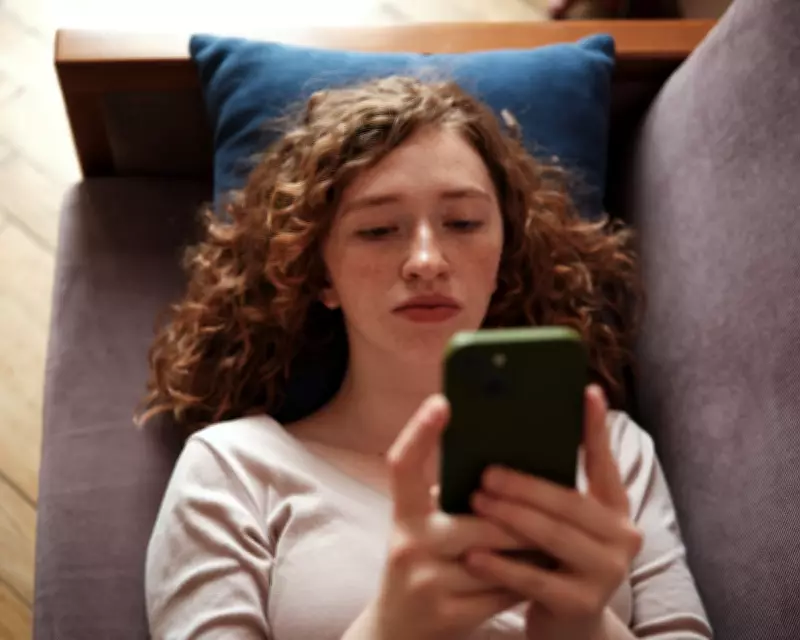
As a young woman, I am constantly told that the internet has ruined my brain. But is this narrative truly helpful? A recent ruling in the US has highlighted the potential damage social media can inflict on very young users, with Meta and YouTube found liable for designing addictive products. However, does this mean my entire generation has been irreparably harmed?
Questioning the Doomsday Narrative
In the book Girls® by Freya India, the author argues that big tech preys on insecurities, blaming social media for the mental health crisis among young women. While I agree with some points, the tone feels overly pessimistic. Commentators like Jonathan Haidt often focus solely on the damage, painting young people as passive victims. This week's case underscores real harms, such as a plaintiff becoming addicted to YouTube at six and Instagram at nine, but it doesn't capture the full picture.
Personal Experience vs. Generalisation
Born in 1999, I recognise the online phenomena India describes, like the Kylie Jenner lip challenge. Yet, I cannot accept that my adolescence was spoiled or my brain curdled by screen time. This doesn't align with my experience or that of other young women I know who grew up with the internet. The narrative feels not only unrealistic but also damaging, as it perpetuates a sense of powerlessness.

Broader Factors in Mental Health
Social media can indeed be harmful, but it is not the sole cause of deteriorating mental health in young people. The increase in poor mental health predates the internet, with studies showing a downward trend starting as early as the 1980s. A key factor is reduced childhood independence. For instance, in England, only 33% of children now play outside unsupervised near their homes, compared to 80% half a century ago.
This lack of independent play hinders the development of an internal locus of control, where individuals believe their actions affect the world. Instead, an external locus of control, linked to higher anxiety and depression, is fostered. Narratives that frame sensitive feminine brains as susceptible to social media harm can reinforce this external control, making young women feel like passive victims.
Empowerment Over Enfeeblement
Studies suggest that passive use of social media, rather than usage itself, contributes to loneliness. The real crisis is one of empowerment. Young people are hyper-aware of negative aspects due to doom-mongering news coverage but lack tools to address them. The material and economic situation, such as financial instability and difficulty leaving parental homes, is a more pressing issue than social media alone.
Focusing solely on social media risks missing the bigger picture. We need discussions on fostering empowering relationships with digital platforms, adopting a feminist approach that is powerful and compassionate. Many young women thrive online, while others struggle offline—it's not a binary choice.
Moving Beyond Doom-Mongering
Cataloguing online harms isn't invigorating; it's doom-mongering that can be profitable for pundits. Instead, we should encourage autonomy and critical engagement. I know vibrant young women who spend hours on TikTok and depressed ones who avoid social media altogether. Regularly deactivating Instagram, as many do, shows it doesn't have to be a big deal. Let's shift the conversation from ruin to resilience.