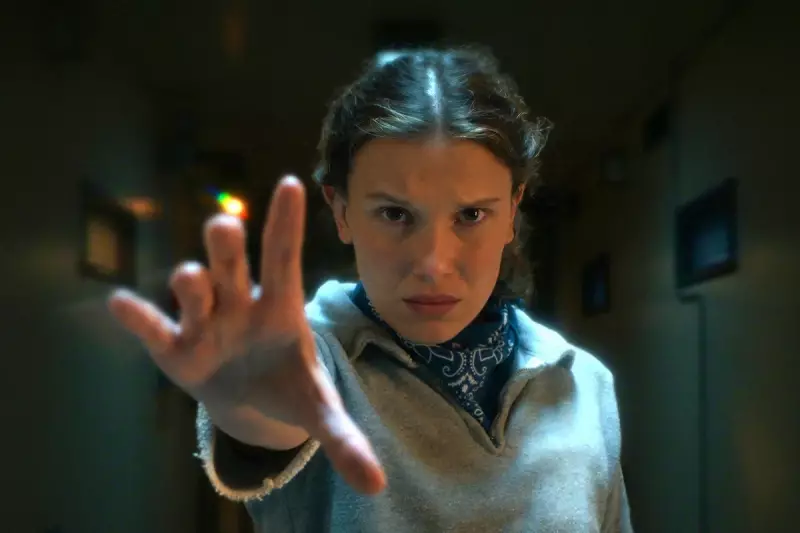
The final curtain is falling on the Upside Down. Netflix's era-defining series, Stranger Things, is approaching its conclusion, presenting the streaming giant with what industry observers describe as an existential crisis. The show's fifth and final season, which began airing in November 2025, will wrap up with a film-length finale on New Year's Day 2026, ending a nine-year journey that began in 2016.
The End of a Flagship Era
For fans, it's a poignant farewell to Hawkins, Indiana. For Netflix, however, the conclusion of Stranger Things is akin to staring down a cliff edge. The series is not just another title in the library; it is the platform's most marketable property and a cultural touchstone. Its debut coincided with Netflix's own scrappy ascent, proving the power of original streaming content. While hits like House of Cards came earlier, Stranger Things captured the public zeitgeist like nothing before it on the service.
Remarkably, the sci-fi horror series is one of the few Netflix Originals to have grown its audience with each successive season. This stands in stark contrast to the so-called 'second season syndrome' that has plagued other major hits. The Korean thriller Squid Game and the Addams family series Wednesday both saw marked declines in viewership and enthusiasm upon their return, despite phenomenal first-season success.

A Shift in Strategy and Identity
Netflix's handling of the final season reveals a significant strategic pivot. The eight episodes are being released in three batches: four arrived in November 2025, three on Christmas Day, and the finale on 1 January 2026. This staggered, hybrid model is a clear departure from Netflix's once-sacrosanct 'all-at-once' binge release strategy.
This change speaks to a fundamental conundrum. Rivals like Apple TV+ and Disney+, using traditional weekly episode drops, have shown how to keep a show in the cultural conversation for months—as seen with series like Severance. Netflix's experiment with a phased release for its biggest show is a tacit admission that the traditionalists may have had a point all along about sustaining engagement.
What Comes After Hawkins?
The central question now looming over Netflix is what replaces Stranger Things. Recent smashes like the British miniseries Baby Reindeer were self-contained stories, not long-running franchises. As the streaming service matures past its disruptive debutante phase, it must find a way to consistently create or sustain flagship hits to avoid the threat of obsolescence.
The end of Stranger Things is more than just the finale of a popular show. It marks the end of a defining chapter for Netflix and forces a reckoning with its future identity in an increasingly crowded and competitive market. The streamer's next move will be watched as closely as the fate of Eleven and her friends.