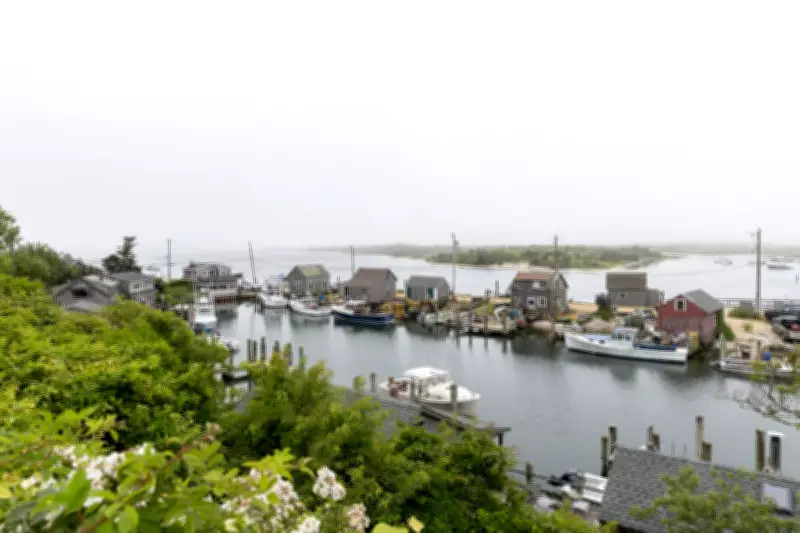
Verizon Escalates Martha's Vineyard Cell Service Battle with Federal Lawsuit
Verizon Wireless has initiated legal action against the picturesque town of Chilmark, Massachusetts, filing a federal lawsuit that intensifies a contentious dispute over how to resolve persistent cellular coverage problems on the island of Martha's Vineyard. The lawsuit, formally submitted on March 16, names both the town and its Select Board as defendants, directly challenging their unanimous January decision to block Verizon's proposed installation of 14 small cell antennas on privately-owned utility poles.
Safety Concerns Drive Community Frustration
At the heart of this conflict lies growing frustration among Chilmark's approximately 1,200 residents, particularly those living in the up-Island areas where unreliable or completely absent cell service has been a documented issue since at least last autumn. With many households having abandoned traditional landline telephones, numerous residents now describe the lack of dependable coverage as a genuine safety concern, leaving them without a reliable method to place emergency calls during critical situations.
Town leadership has been actively pursuing solutions, engaging in multiple discussions with both Verizon and American Tower Company, which owns and operates cellular towers and other wireless infrastructure. Verizon's specific proposal focused on deploying small cell units across targeted locations using existing privately owned utility poles to strengthen coverage in problematic areas.

Divergent Visions for Infrastructure Development
Local officials, however, championed a different approach. Rather than distributing equipment across more than a dozen individual poles, the Select Board expressed preference for constructing a larger, centralized tower capable of serving the entire community comprehensively. This fundamental disagreement culminated in a unanimous 3-0 vote on January 20 to formally deny Verizon's application.
"This may be Verizon's best plan, but it's not best for the town," declared Select Board Chair Marie Larsen at the time, according to reports from Inside Towers, highlighting the community's prioritization of local interests over corporate proposals.
Legal Arguments and Allegations of Unfair Treatment
In its detailed 20-page complaint, Verizon contends that the board failed to properly evaluate the technical proposal and neglected to produce site-specific findings that would justify the denial. The telecommunications giant further argues that Chilmark lacks any formal regulations or written standards for reviewing such applications, and did not apply consistent criteria throughout its decision-making process.
The lawsuit escalates its accusations by claiming the town has engaged in unfair discriminatory practices. Verizon alleges that Chilmark is effectively steering the company toward existing infrastructure owned by American Tower Company by permitting that equipment to remain operational while simultaneously denying Verizon a comparable opportunity to expand its network footprint.
"The Town has unreasonably discriminated against Verizon because it has denied Verizon the right to attach its Small Cells to utility poles in the Town right of way but allowed ATC to attach its DAS equipment to utility poles in the Town rights of way," Verizon stated in its legal filing, as reported by the Vineyard Gazette.
Seeking Judicial Intervention and Community Response
Verizon is now petitioning a federal judge to overturn the board's decision and grant permission for the project to proceed. Chilmark Town Administrator Tim Carroll confirmed to the Vineyard Gazette that the municipality intends to formally respond to the lawsuit, though he declined to provide additional commentary, noting that the board had not convened since being served with the legal documents.
The outcome of this legal confrontation will significantly influence not only cellular connectivity for Chilmark residents but also establish important precedents regarding municipal authority versus telecommunications infrastructure development in scenic communities across the United States.