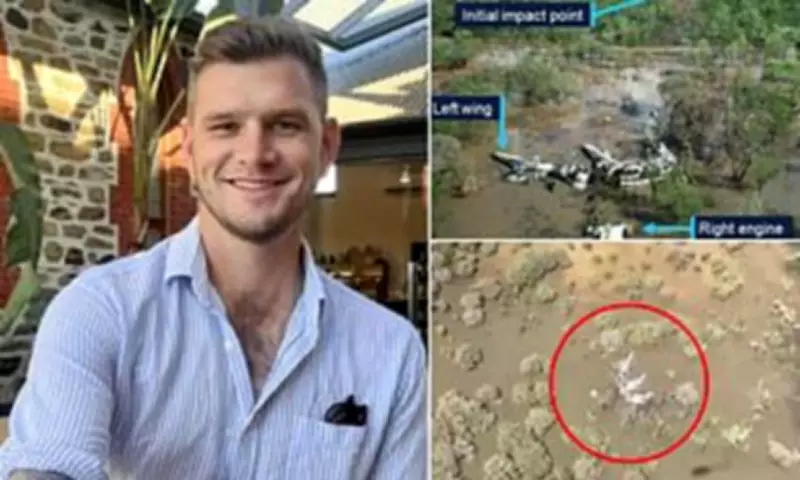
A young charter pilot tragically lost his life when his light aircraft crashed into crocodile-infested floodwaters moments after take-off during a severe thunderstorm in Far North Queensland. Thomas Niit, aged 32, was the sole occupant of the Beechcraft King Air B200 aircraft when it went down less than one kilometre from Normanton Airport on February 6.
Treacherous Rescue Mission in Croc-Infested Marsh
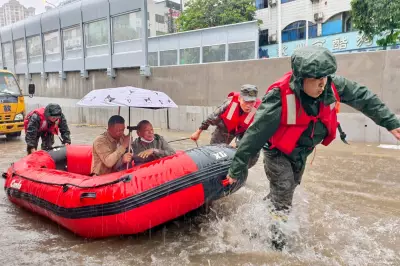
Emergency crews faced an extremely challenging two-day operation to reach the crash site and recover the Cairns-based pilot's body. The difficult terrain was compounded by extensive regional flooding, with the wreckage located in a marsh area knee-deep in water known to be inhabited by crocodiles. The treacherous conditions significantly hampered rescue efforts, delaying access to the remote location.
Final Flight Details Emerge
The Australian Transport Safety Bureau released a preliminary report on Thursday detailing Mr Niit's final movements. Earlier on the day of the tragedy, the pilot had flown from Cairns to Normanton to transport four passengers, believed to be telecommunications workers, 323 kilometres west to Doomadgee. He successfully returned these passengers to Normanton approximately four hours later.

Mr Niit then prepared for the 700-kilometre return flight to Cairns, with the aircraft departing shortly after 7:45pm. Investigators determined the plane climbed to a maximum altitude of just 45.72 metres (150 feet) before descending and impacting the ground.
Investigation Reveals Crash Sequence
ATSB Chief Commissioner Angus Mitchell provided specific details about the crash sequence: "Examination of the accident site indicated the aircraft hit a tree about 360 metres from the end of the runway, which was about 10 metres before it broadcast its last ADS-B position."
"Evidence indicates the aircraft then impacted the ground in a wings-level attitude and slid beneath powerlines, then commenced a gradual yaw to the right, impacting trees, and breaking up in the process, before coming to rest in floodwaters about 580 metres beyond the runway's end."
Photographs from the scene show the aircraft wreckage scattered across multiple sections of the marshland. To date, investigators have examined the accident site and wreckage, conducted interviews, and gathered available flight data. The preliminary report also included a comprehensive summary of weather conditions at the airport and surrounding area at the time of the crash.
Ongoing Investigation and Safety Protocols
A final report containing detailed analysis and findings will be released upon conclusion of the investigation. Mr Mitchell confirmed: "Investigators will also conduct further interviews, and analyse witness videos, photographs and airport data, along with all relevant operational information."
"As the investigation progresses, it will include an assessment of data from air traffic control, the Bureau of Meteorology, and equipment recovered from the aircraft. Should a critical safety issue be identified during the course of the investigation, the ATSB will notify relevant parties immediately, so timely safety action can be taken."
Community Mourns Active Sportsman
Thomas Niit had recently relocated to Cairns from Melbourne with his partner Naomi before the tragic incident. Both were active members of the Cairns sporting community, regularly playing for the Centrals Trinity Beach Bulldogs Australian Football League club. The local community has been deeply affected by the loss of the young pilot, remembered for his involvement in regional sports and aviation.