Total Lunar Eclipse to Paint Moon Blood Red This Week
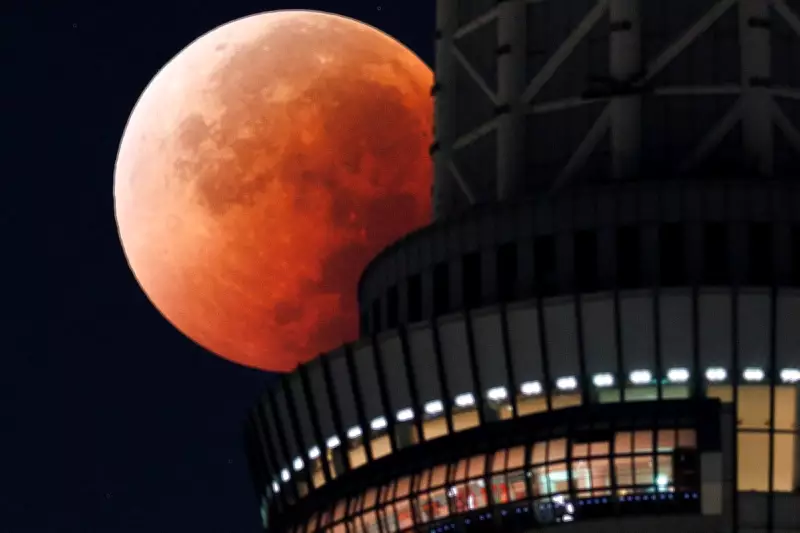
A spectacular total lunar eclipse, which will transform the moon into a dramatic 'blood-red' orb, is set to grace skies this week. This celestial event marks the final total lunar eclipse visible from Earth until late 2028, offering a rare viewing opportunity for astronomy enthusiasts and casual observers alike.
Global Viewing Times and Locations
The eclipse will be visible on Tuesday morning across North America, Central America, and western South America. Observers in Australia and eastern Asia will be able to witness the event on Tuesday night. Partial stages of the eclipse, appearing as small bites taken out of the moon, will be observable from Central Asia and much of South America. Unfortunately, Africa and Europe will miss out on this particular celestial show.
Solar and lunar eclipses occur due to a precise alignment of the sun, moon, and Earth. NASA reports between four and seven eclipses occur annually, with these phenomena often following each other in close succession. Tuesday's total lunar eclipse arrives just two weeks after a 'ring of fire' solar eclipse captivated viewers in Antarctica.

The Science Behind the Blood Moon
During a total lunar eclipse, Earth positions itself directly between the sun and full moon, casting its shadow completely over the lunar surface. The resulting 'blood moon' appears red because stray bits of sunlight filter through Earth's atmosphere, scattering blue light and allowing red wavelengths to illuminate the moon.
The entire celestial show unfolds over several hours, with totality lasting approximately one hour. Compared to solar eclipses, "the lunar eclipse is a little more of a relaxed pace," explained Catherine Miller of Middlebury College's Mittelman Observatory.
How to Watch Without Special Equipment
For those within the viewing path, no special equipment is necessary to observe this astronomical event. All that's required is a clear, cloudless view of the sky. Observers can use forecasting apps or online celestial calendars to determine exact timing for their specific location.
Astronomer Bennett Maruca from the University of Delaware recommends venturing outside periodically to watch Earth's shadow gradually darken the moon, eventually revealing the striking reddish-orange orb. "You don't have to be out there the whole time to see the shadows moving," Maruca noted.
Looking ahead, a partial lunar eclipse is scheduled for August, visible across the Americas, Europe, Africa, and western Asia. However, this week's total lunar eclipse represents the last opportunity to witness the complete blood moon phenomenon for several years.