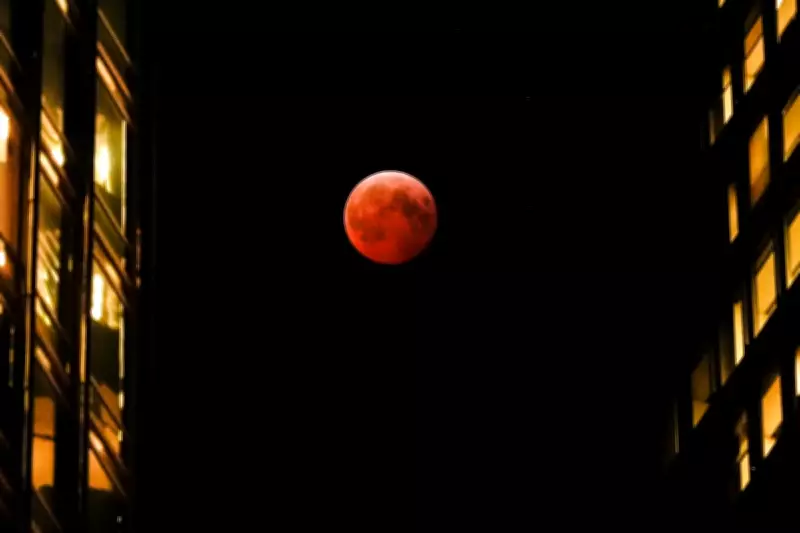
A total lunar eclipse, set to deliver a stunning 'blood-red' moon, is scheduled for this week, representing the final occurrence of this celestial phenomenon until late 2028. The event will be observable on Tuesday morning throughout North America, Central America, and western South America, and on Tuesday night in Australia and eastern Asia.
Understanding the Lunar Eclipse
This astronomical spectacle happens when the Earth aligns directly between the sun and a full moon, casting a shadow that gives the moon a reddish hue. This coloration results from sunlight passing through Earth's atmosphere, which filters out blue light and allows red wavelengths to illuminate the lunar surface.
Viewing Details and Accessibility
The eclipse will unfold over several hours, with the total phase lasting approximately one hour. No specialised equipment is necessary for observation; viewers simply need a clear, cloudless view of the sky to enjoy the event safely with the naked eye.

This event follows a similar lunar eclipse in 2025 that captivated audiences worldwide, highlighting the enduring public fascination with such celestial displays. As the last total lunar eclipse until late 2028, it offers a rare opportunity for skywatchers to witness this natural wonder before a lengthy hiatus.