Afghan authorities have confirmed that a devastating series of extreme weather events, including severe flooding, a landslide, and thunderstorms, has resulted in the deaths of 17 people and left 26 others injured over the past 24 hours. The National Disaster Management Authority reported these casualties on Sunday, March 29, 2026, with forecasts predicting additional heavy rainfall that could exacerbate the situation.
Widespread Impact Across Multiple Provinces
Yousuf Hammad, the spokesman for the National Disaster Management Authority, stated in an official release that the number of casualties may rise as emergency crews continue to assess the affected regions. The extreme weather has impacted thirteen of Afghanistan's thirty-four provinces, predominantly in the western, central, and northwestern areas of the country.
Significant Infrastructure and Property Damage
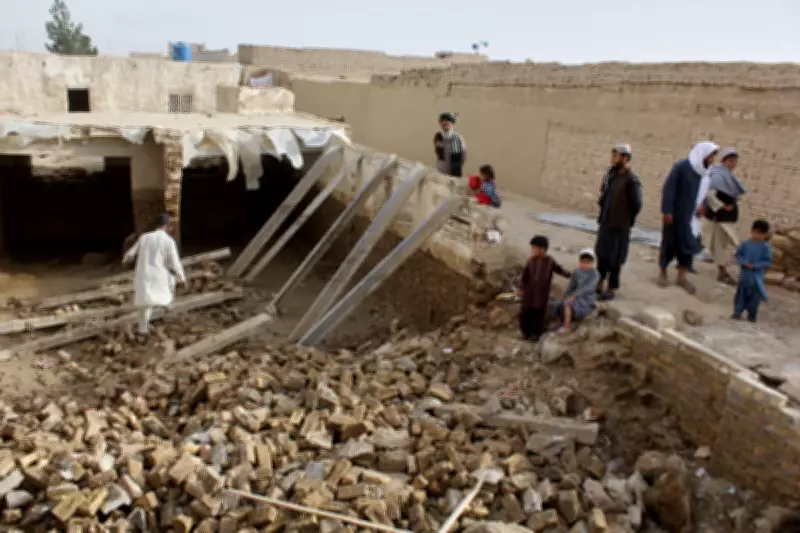
The severe conditions have caused extensive destruction, with 147 homes either completely or partially destroyed. Additionally, approximately 80 kilometers (50 miles) of roads have been wiped out, and agricultural land, irrigation canals, and local businesses have suffered severe damage. Hammad noted that a total of 530 families have been affected by these disasters.

Ongoing Weather Threats and Warnings
Heavy rainfall is forecast to affect eastern and central parts of Afghanistan on Monday, raising concerns about potential flooding in these areas. The disaster management authority has issued warnings for residents to avoid river banks and regions at risk of flooding. Local officials have been placed on standby to provide immediate assistance and support to those in need.
Historical Context of Weather-Related Disasters
This recent tragedy follows earlier incidents this year where heavy snowfall and flash floods claimed dozens of lives across Afghanistan. The country is highly vulnerable to extreme weather events, with snow and intense rain frequently triggering flash floods that result in significant loss of life. For instance, in 2024, springtime flash floods led to the deaths of over 300 people.
Underlying Factors Amplifying Disasters
Decades of conflict, coupled with poor infrastructure, a struggling economy, widespread deforestation, and the intensifying effects of climate change, have significantly amplified the impact of such natural disasters. Remote areas are particularly affected, where many homes are constructed from mud and offer limited protection against sudden deluges or heavy snowfall, making communities more susceptible to devastation.