Afghanistan Floods and Landslides Claim 77 Lives in 10 Days Amid Heavy Rains
The Afghanistan Disaster Management Authority has reported that widespread flooding, landslides, and lightning strikes, triggered by heavy rain and storms across the country, have resulted in 77 fatalities and 137 injuries over the past 10 days. This announcement was made on Saturday, April 4, 2026, highlighting a severe humanitarian crisis in the region.
Ongoing Weather Threats and Public Warnings
More rain is forecast for the coming days throughout Afghanistan, prompting authorities to issue urgent warnings. The public has been advised to stay away from river banks and areas prone to flooding to avoid further casualties. This year alone, dozens of people have died due to extreme weather events, underscoring Afghanistan's vulnerability as an impoverished nation highly susceptible to such disasters. Earlier in the year, heavy snowfall and flash floods had already claimed numerous lives across the country.
Detailed Impact and Infrastructure Damage
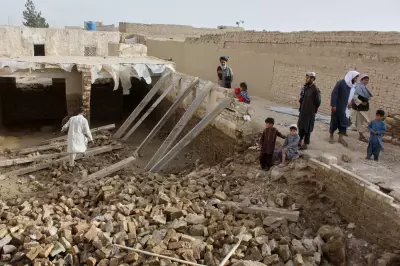
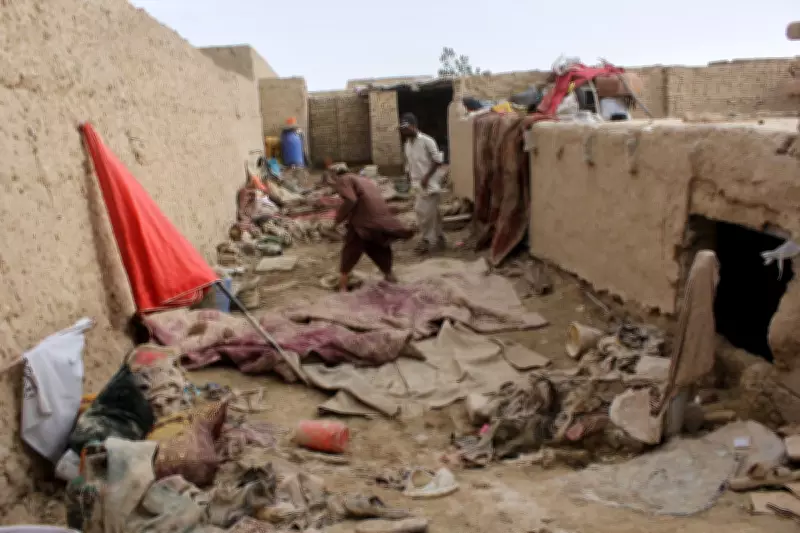
The recent toll includes 26 people killed over the past 48 hours, according to the disaster authority. The destruction has been extensive, with 793 homes completely destroyed and an additional 2,673 homes damaged. Furthermore, floods and landslides have ravaged 337 kilometers (approximately 210 miles) of roads, severely disrupting transportation and access to essential services.

- Businesses, agricultural land, water wells, and irrigation canals have also sustained significant damage.
- More than 5,800 families have been affected overall, exacerbating the humanitarian situation.
Highway Closures and Travel Disruptions
Several major highways connecting the capital, Kabul, to provinces have been damaged by floods and landslides. Public Works Ministry spokesman Ashraf Haqshinas stated on Saturday that travelers are being forced to take long, circuitous routes to reach Kabul. Key affected routes include:
- The Kabul to Jalalabad highway, the main link to the Pakistani border and eastern Afghan provinces, which was shut on Thursday morning due to a landslide, rockfalls, and flooding. Crews are actively working to re-open this critical artery.
- The Salang Pass, a high mountain pass in the Hindu Kush range connecting Kabul to northern cities like Kunduz and Mazar-e-Sharif, has also been closed due to flooding.
The Public Works Ministry has urged travelers to exercise extreme caution when using roads in affected areas, as conditions remain hazardous.
Historical Context and Recurring Disasters
Snow and heavy rain frequently trigger flash floods in Afghanistan, often resulting in significant loss of life. In 2024, for instance, more than 300 people died in springtime flash floods, illustrating a persistent pattern of weather-related tragedies. The current crisis adds to this grim history, with authorities scrambling to mitigate impacts and provide aid to affected communities.
Elena Becatoros contributed reporting from Kabul, Afghanistan.