Severe Tropical Cyclone Narelle Ravages Queensland Amid Global Heating Concerns
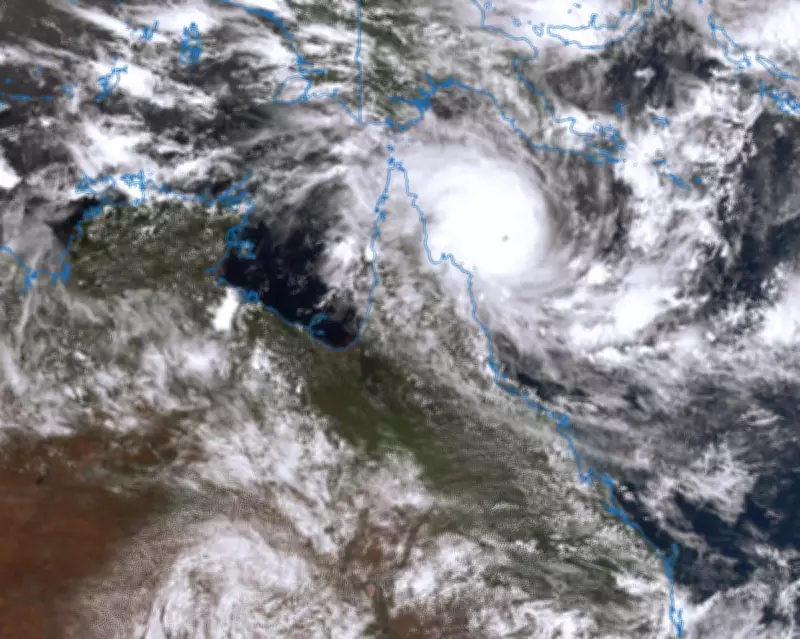
Severe Tropical Cyclone Narelle has made landfall in Queensland, unleashing powerful winds and torrential rains that have caused significant damage across the region. The storm, which intensified rapidly over the Coral Sea, has been directly linked by climate scientists to the effects of global heating, raising alarms about the increasing frequency and severity of such extreme weather events.
Impact and Damage Assessment
Initial reports indicate widespread destruction, with homes damaged, trees uprooted, and power lines downed, leaving thousands of residents without electricity. Emergency services are on high alert, responding to calls for assistance and conducting evacuations in the most affected areas. The cyclone's path has disrupted transportation networks, including road closures and flight cancellations, further complicating relief efforts.
Scientific Link to Global Heating
Meteorologists and climate experts have emphasized that the intensity of Cyclone Narelle is not an isolated incident but part of a broader trend driven by global heating. Warmer ocean temperatures, a direct consequence of climate change, have provided the energy needed for the storm to strengthen quickly, making it more powerful and destructive than typical cyclones in the region. This connection underscores the urgent need for climate action to mitigate future risks.

Community Response and Safety Measures
Local authorities have issued severe weather warnings, urging residents to stay indoors and avoid non-essential travel. Shelters have been set up to accommodate those displaced by the storm, with community organizations mobilizing to provide food, water, and medical aid. The resilience of Queenslanders is being tested, but preparedness measures have helped minimize casualties so far.
Long-Term Implications for Weather Patterns
The occurrence of Cyclone Narelle highlights the growing threat posed by climate change to weather stability worldwide. As global heating continues, experts predict more frequent and intense storms, necessitating enhanced infrastructure and disaster response strategies. This event serves as a stark reminder of the environmental challenges ahead and the importance of sustainable practices to combat climate change.