The United Kingdom is preparing for a severe wintry start to 2026, with the Met Office issuing a significant weather warning for snow and ice alongside an amber cold health alert predicting serious risks to the vulnerable.
New Year's Day Snow Warning for Scotland
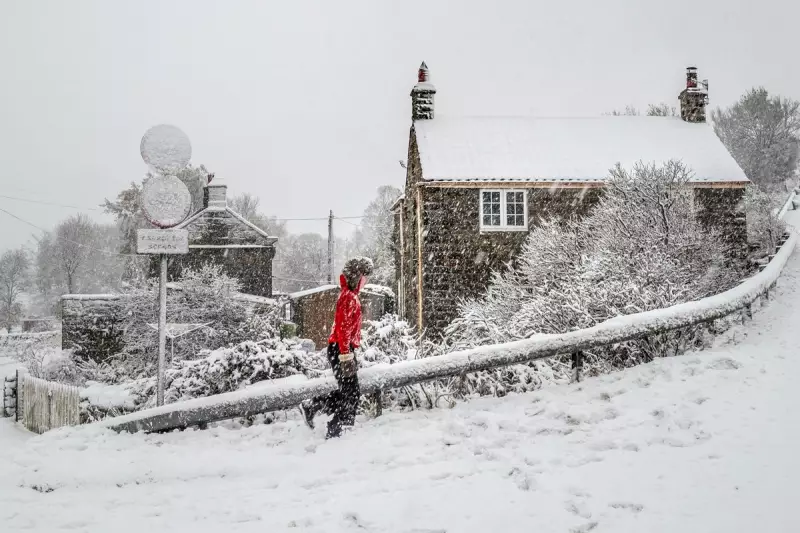
The Met Office has activated a yellow warning for snow and ice covering parts of Scotland. This alert will be active from 6am on Thursday 1 January until midnight on Friday 2 January. Forecasters predict that frequent and heavy snow showers could cause considerable travel disruption, with accumulations of 2-5cm widely, 10cm in some localities, and 10-20cm over ground above 200 metres. On the highest routes and hills, 30cm or more of snow may build up during this period.
Amber Health Alert for Northern England
Simultaneously, the UK Health Security Agency (UKHSA) has escalated its warnings, issuing an amber cold health alert for the northeast and northwest of England. This alert remains in place until noon on Monday 5 January. The agency states the cold weather is "likely" to have substantial impacts on health and social care services, including an anticipated increase in deaths among those aged 65 and over and people with existing health conditions.

Temperatures are forecast to plunge to as low as -2C in some areas overnight in the coming days, with daytime highs struggling to reach 8C. The UKHSA has also issued a less severe yellow cold health alert for several other regions including the East Midlands, West Midlands, Southeast, Southwest, East of England, Yorkshire and the Humber, and London.
Widespread Impacts and Official Advice
Met Office forecaster Dan Stroud confirmed the shift in conditions, stating: "We’re losing this sort of settled but chilly conditions, and bringing in something a little bit more showery with more wintry hazards in the forecast, particularly for the north of the country." Northern parts are expected to bear the brunt of the colder, more unsettled weather from New Year's Day onwards.
The UKHSA warns of increased demand on the NHS, potential staffing issues due to travel delays, and impacts on other sectors like transport and energy. Dr Agostinho Sousa, head of extreme events and health protection at UKHSA, urged the public: "As the colder weather sets in, it is vital to check in on friends, family and neighbours that are most vulnerable. The forecasted temperatures can have a serious impact on the health of some people, leading to increased risk of heart attacks, strokes and chest infections."
Charities have also amplified their warnings. The Alzheimer’s Society highlighted that people living with dementia may struggle to adjust to the cold or communicate their discomfort. They advise ensuring vulnerable individuals are warm, eating and drinking regularly, and taking extra care in slippery conditions.