Atlantic Hurricane Season Could Bring Up to 16 Storms, With Gulf Coast and Carolinas Facing Greatest Threats
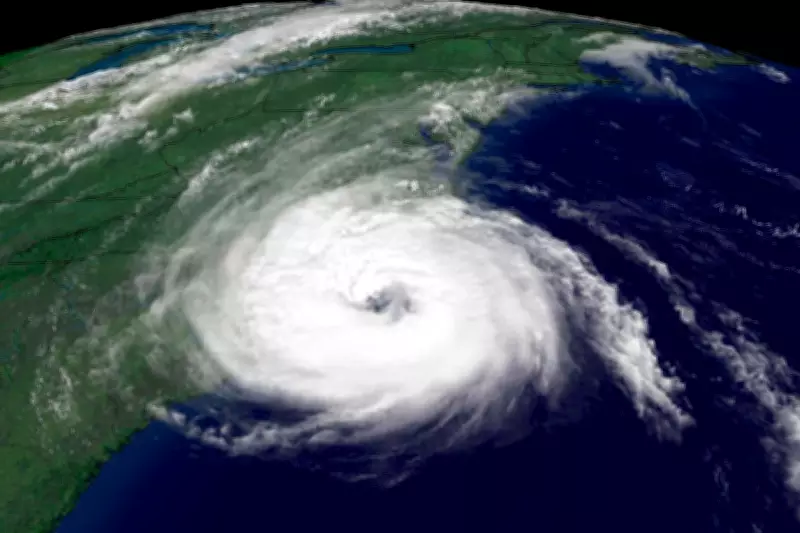
Forecasters have issued a stark warning that the upcoming Atlantic hurricane season could produce up to 16 named storms, with the Gulf Coast and Carolinas facing the most significant dangers. According to meteorological predictions, this season could see four to seven hurricanes develop, including two to four major storms classified as Category 3 or higher. While this forecast suggests an average season in terms of storm numbers, experts emphasize that even typical seasons can deliver devastating impacts, particularly to vulnerable coastal regions.
Forecast Details and Historical Context
AccuWeather meteorologists have projected that between 11 and 16 named storms will form between June 1 and November 30, a range that aligns closely with long-term historical averages. These storms become classified and named once they reach tropical-storm strength, which begins at sustained winds of 39 miles per hour or higher. Of these anticipated systems, forecasters expect four to seven to intensify into hurricanes, with two to four strengthening into major hurricanes capable of causing widespread destruction.
The 1992 Atlantic hurricane season serves as a powerful reminder that storm count alone doesn't determine impact. That year produced only seven named storms, yet it is primarily remembered for Hurricane Andrew, one of the most powerful hurricanes ever to strike the United States. Andrew caused catastrophic damage that fundamentally reshaped building codes, insurance practices, and emergency preparedness strategies across affected regions.

Primary Risk Areas and Climate Factors
The northern and eastern Gulf Coast along with the Carolinas are identified as the regions most at risk during the 2026 hurricane season. These areas are particularly vulnerable due to their geographical positioning where storms frequently track and make landfall. The intensity and precise paths of this year's hurricanes will largely depend on evolving climate conditions, including ocean temperatures and atmospheric patterns.
Forecasters are closely monitoring the potential development of an El Niño pattern later this year, which typically creates strong winds that suppress hurricane formation. However, the Atlantic Ocean is currently experiencing warmer-than-usual temperatures, which could counteract this effect and provide additional fuel for storm development and intensification. This combination of factors creates uncertainty about the season's ultimate severity.
Broader Economic and Infrastructure Impacts
The consequences of Atlantic hurricanes extend far beyond immediate storm damage, significantly affecting critical sectors including energy production, agriculture, housing markets, and financial systems. The Gulf of Mexico represents a particularly vulnerable energy hub, accounting for approximately 13 percent of the nation's crude oil production and about 1 percent of its natural gas output according to the U.S. Energy Information Administration.
Even relatively weak storms can force operators to shut down offshore platforms and evacuate personnel, temporarily halting production and tightening energy supplies. In 2019, Tropical Storm Barry demonstrated this vulnerability by curtailing approximately half of the Gulf of Mexico's energy production, raising oil prices to a seven-week high and causing companies to reduce oil output by 53 percent and natural gas production by 45 percent. Such disruptions ripple quickly through energy markets, contributing to higher fuel prices and supply chain delays that can be amplified by ongoing geopolitical tensions.
Agricultural and Property Vulnerabilities
Agricultural sectors face substantial hurricane risks, with Florida's orange juice industry particularly exposed to storm damage. Crops across the southern United States, especially cotton, can suffer significant losses from high winds and flooding that reduce supply and push commodity prices higher. These agricultural disruptions compound the economic impacts of hurricane seasons beyond immediate physical damage.

The housing market also confronts considerable exposure, with approximately 18.3 percent of U.S. homes valued at around $8 trillion at risk of hurricane wind damage according to recent data from Realtor.com. This substantial property exposure places homeowners in difficult positions and can destabilize insurance markets and financial systems, particularly in regions that experience repeated storm impacts. Communities like Gulfport continue recovering from 2024 hurricanes, illustrating the long-term challenges of hurricane recovery.
While it remains too early to predict specific landfall locations or precise storm tracks, the combination of seasonal activity forecasts, warmer ocean waters, and evolving climate patterns means that Gulf Coast and Carolina regions must maintain preparedness throughout the 2026 hurricane season. Forecasters anticipate three to five direct impacts on the United States this year, emphasizing that even one major storm making landfall or brushing the coast could bring devastating flooding, wind damage, and costly disruption to critical infrastructure and communities.