On Monday afternoon, Japan experienced a significant seismic event, with an earthquake registering an "upper 5" on the country's unique shindo scale in certain areas. This intensity level, specifically recorded in Aomori prefecture, indicates severe ground shaking that poses substantial risks to daily life and infrastructure.
Understanding the Shindo Scale and Its Implications
Japan employs a distinctive shindo scale, which ranges from 0 to 7, to measure the actual impact of ground shaking at specific locations. Unlike the magnitude scale, which quantifies the total energy released at the earthquake's origin, the shindo scale focuses on the effects felt by people and structures on the surface.
Impact of an 'Upper 5' Intensity Earthquake
An "upper 5" rating on the shindo scale signifies that most individuals would struggle to walk without support, and unfixed furniture is likely to topple. This level of intensity can cause significant disruption and potential damage, highlighting the importance of Japan's advanced earthquake preparedness and response systems.

Additional Seismic Activity in Neighboring Regions
In addition to the "upper 5" intensity in Aomori, lower 5 levels on the shindo scale were reported in Iwate and Miyagi prefectures. These areas also experienced noticeable shaking, though to a lesser degree, underscoring the widespread nature of the seismic event across northern Japan.
Tsunami Warnings and Emergency Response
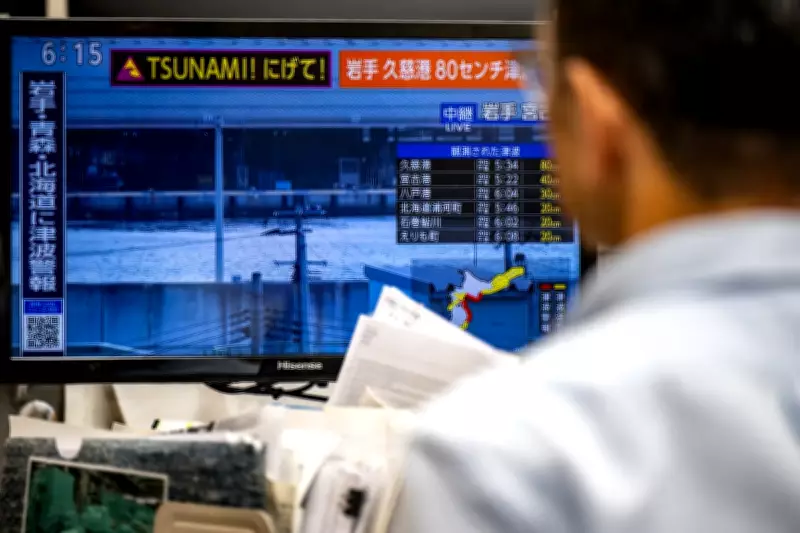
Following the earthquake, warnings were issued for an imminent 3-meter tsunami, prompting urgent evacuation measures and heightened alertness in coastal regions. Japan's robust disaster management protocols, including early warning systems and public education campaigns, are crucial in mitigating the risks associated with such natural disasters.
The combination of seismic activity and tsunami threats underscores the ongoing challenges Japan faces due to its location along the Pacific Ring of Fire. Continuous monitoring and research into earthquake and tsunami dynamics remain vital for enhancing safety and resilience in affected communities.