As festive anticipation builds across the nation, the perennial question returns: will Britain be blessed with a white Christmas this year? The Met Office has now delivered its latest verdict for the 2025 festive period, and for those dreaming of a snow-blanketed landscape, the outlook suggests patience may be required.
High Pressure to Dominate Festive Forecast
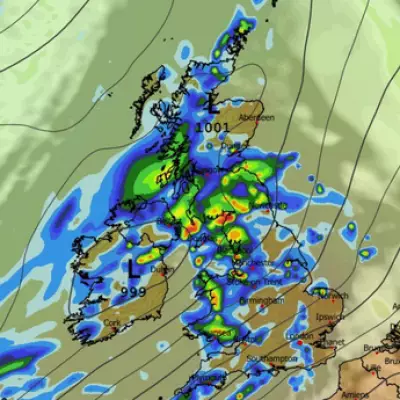
According to deputy chief forecaster Tom Crabtree, the weather pattern shaping up for the Christmas period is being dominated by high pressure. This system is expected to bring drier and somewhat less mild conditions as the big day approaches. While temperatures are predicted to drop, offering a seasonal chill, they are not forecast to plummet dramatically.
The most likely features will be overnight frosts and the potential for patches of mist and fog in some areas. Significant, widespread cold weather is currently considered less probable. Mr Crabtree did note that the falling temperatures could bring the risk of some wintry showers, particularly in eastern parts of the country. However, he emphasised that it remains too early to pin down precise details for Christmas Day itself.

Defining a 'White Christmas'
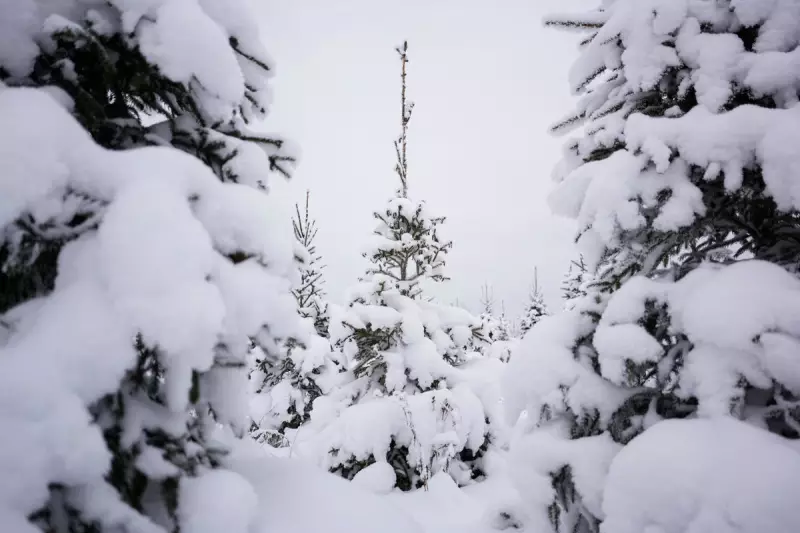
Many might be surprised to learn the official benchmark for declaring a white Christmas in the UK is remarkably low. The Met Office confirms that the threshold is met if just a single snowflake is observed falling anywhere in the UK on 25 December. This technical definition means white Christmases are more common than one might think.
Historical data reveals that more than half of all Christmas Days since 1960 have met this criterion. In about half of those years, at least 5% of the UK's weather stations reported snowfall. The last technically white Christmas was in 2023, when 11% of stations recorded snow falling, though none reported any settled snow on the ground.
A Rare Sight: Settled Christmas Snow
While falling snow on Christmas Day is not exceptionally rare, seeing it settle and create a picturesque winter scene is a much rarer event. The last widespread Christmas with snow on the ground was in 2010, which holds the record as the UK's whitest Christmas. On that day, a remarkable 83% of weather stations reported snow cover.
Since 1960, settled snow on Christmas Day has occurred on only four occasions: in 1981, 1995, 2009, and 2010. Statistically, December is not the snowiest month. On average, snow lies on the ground for just 3 days in December, compared to 3.3 days in January and 3.4 days in February, based on the 1991-2020 averaging period.
Regionally, some areas have a much higher chance. Data from 1960 to 2024 shows The Highlands experience the most snowy Christmases, with 175 occurrences, followed by Aberdeenshire with 92. The frequency has decreased over centuries, influenced by factors including calendar changes in 1752 and, more recently, the effects of climate change leading to higher average land and sea temperatures.
Last year, the Met Office predicted a 'grey Christmas' characterised by rain, cloud, and mild temperatures. For 2025, the forecast points towards a chilly, frosty, and predominantly dry festive spell, with the magic of a snow-covered Christmas remaining, for most, a dream for another year.