NOAA Issues 2026 Hurricane Forecast as Storm Season Nears
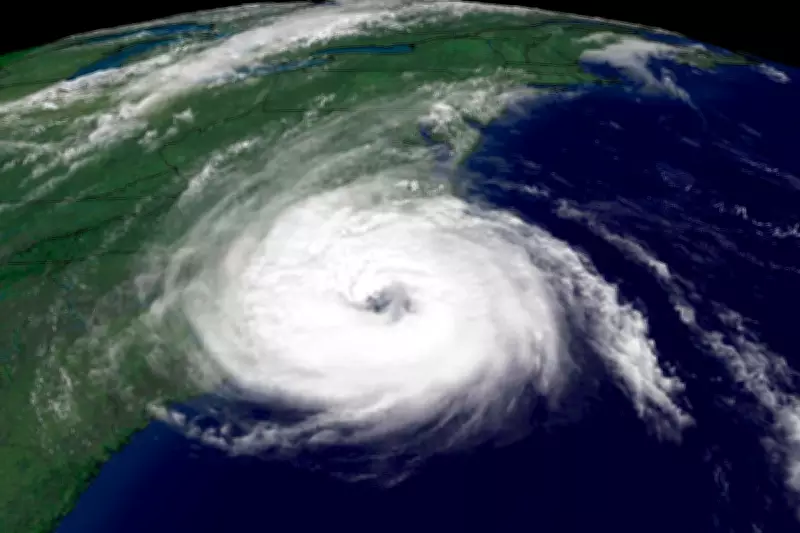
The National Oceanic and Atmospheric Administration (NOAA) has released its hurricane season outlook for 2026, predicting a calmer-than-average Atlantic hurricane season but an above-normal eastern Pacific season. This forecast comes as the storm season approaches, with officials urging early preparation due to the potential for rapid storm intensification linked to record-warm ocean temperatures.
Atlantic Hurricane Season Outlook
According to NOAA, the Atlantic region is expected to experience 8 to 14 named storms, which are systems with winds of 39 mph or higher. Among these, between 3 and 6 are forecast to become hurricanes, with winds reaching 74 mph or higher. Additionally, 1 to 3 major hurricanes (Category 3, 4, or 5 with winds of 111 mph or higher) are predicted. This is below the average season, which typically sees 14 named storms, including 7 hurricanes and 3 major hurricanes.
The northern and eastern Gulf Coast, as well as the Carolinas, are identified as the areas most at risk this year due to their susceptibility to frequent storm landfalls. A strong "super" El Niño climate pattern is expected to suppress hurricane development over the Atlantic Ocean, contributing to the reduced activity.

Eastern Pacific Hurricane Season Outlook
In contrast, the eastern Pacific is predicted to see an above-normal season, with a 70 percent chance of heightened activity. Forecasters anticipate 9 to 14 hurricanes, including 5 to 9 major hurricanes. This increased activity is attributed to the same El Niño pattern, which enhances conditions for storm formation in the eastern Pacific. Potential impacts include Hawaii and occasionally the West Coast of the United States.
Impact of Climate Change and Preparedness
Record-warm ocean temperatures, linked to climate change, are causing rapid intensification of storms. Systems can potentially become major hurricanes within days, making early preparation crucial. Officials are urging residents in vulnerable areas to prepare non-perishable food, supplies, and medicine well in advance of the season.
NOAA emphasizes the importance of staying informed and having a plan in place. The agency will continue to monitor conditions and provide updates as the season progresses.