UK Braces for 'Snow Eater' Phenomenon as Temperatures Could Hit 20C
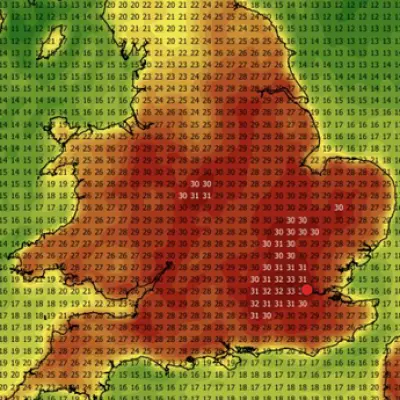
The Met Office has issued a forecast indicating that a little-known weather phenomenon, the Foehn effect, could propel temperatures in the UK to as high as 20 degrees Celsius this Wednesday. This surge in warmth might make it the hottest day of the year so far, surpassing the previous record of 19.2C recorded in London on March 5.
What is the Foehn Effect?
The Foehn effect is a meteorological occurrence where moist air is forced up a mountain slope, cooling and often causing precipitation like rain or snow. As the air descends rapidly on the other side, it warms up significantly, leading to notably higher temperatures in the leeward areas. In the UK, this effect is most frequently observed in the Scottish Highlands, where westerly winds from the Atlantic bring wet conditions to the west while the east experiences warmer, sunnier weather.
Globally, this phenomenon goes by various names: in the Rocky Mountains, it is known as the Chinook or snow eater, and in the Andes, it is called the Zonda. The term snow eater aptly describes its ability to melt snow quickly due to the sudden temperature rise.

Met Office Forecast Details
Dan Harris, Chief Forecaster at the Met Office, highlighted that parts of western Wales and western England are expected to see highs of 18C to 20C on Wednesday afternoon, driven by this Foehn effect. He explained, "Wednesday looks likely to be the warmest day of the week for many, with high pressure dominant. The warmest spots are likely to be in parts of west Wales and western England, where under sunny skies, 18-19C, possibly even 20C is on the cards."
Harris added that this warming is due to east to south-easterly winds passing over higher ground, which amplifies the temperature boost. However, he cautioned about a significant diurnal range this week, meaning a large difference between daytime highs and overnight lows. Clear skies during the day will lead to chilly nights, with some areas potentially experiencing air frost after the warmer afternoons.
This weather pattern underscores the dynamic nature of UK climate, where rapid shifts can bring unexpected warmth even in early spring. Residents are advised to enjoy the sunny spells but prepare for cooler evenings as temperatures fluctuate dramatically.