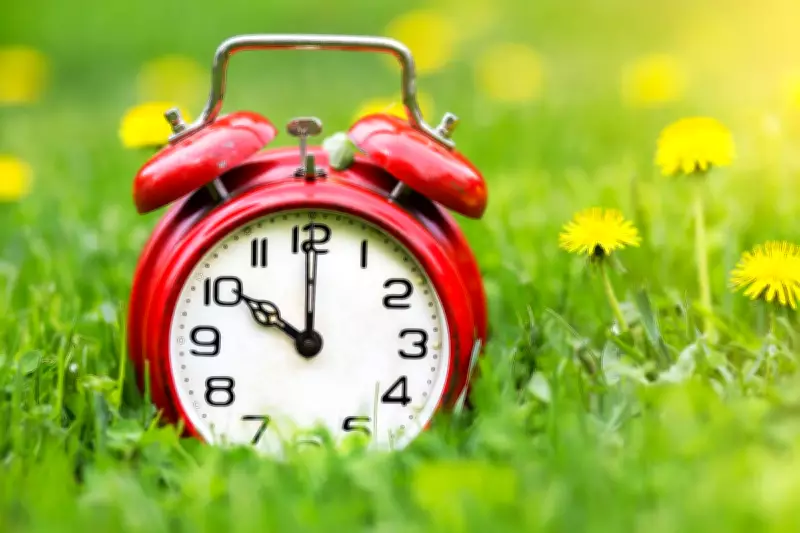
The United Kingdom is set to transition into British Summer Time (BST) as the clocks spring forward by one hour on Sunday, 29 March 2026, precisely at 1am Greenwich Mean Time (GMT). This annual adjustment shifts the nation from GMT to BST, heralding longer, brighter evenings but also ushering in darker mornings and the forfeiture of a precious hour of sleep for many citizens.
Historical Origins and Rationale
The concept of Daylight Saving Time was first championed in Britain by William Willett in 1907, who advocated for maximizing daylight hours. It was formally enacted through the Summer Time Act of 1916, primarily as a wartime measure to conserve vital resources such as coal during the First World War. This historical context underscores the enduring legacy of a policy designed to align human activity with natural light patterns.
Impacts and Public Sentiment
The shift to BST yields several notable benefits, including extended evening daylight that can enhance leisure pursuits, stimulate retail expenditure, and potentially elevate overall mood. However, it is not without drawbacks, as the abrupt change frequently disrupts sleep cycles and circadian rhythms, leading to temporary fatigue and adjustment challenges.

Public opinion on the matter reveals a nuanced perspective. A 2024 YouGov survey indicated that 59 per cent of Britons would favour adopting British Summer Time permanently if the current biannual clock changes were abolished. Interestingly, younger demographics tend to show greater support for retaining the existing system, suggesting generational divides in preferences regarding timekeeping practices.
Looking Ahead
As the 2026 change approaches, individuals are advised to prepare by adjusting their schedules gradually and ensuring adequate rest. The debate over the merits of Daylight Saving Time continues, with ongoing discussions about its relevance in modern society and potential reforms to the timekeeping framework.