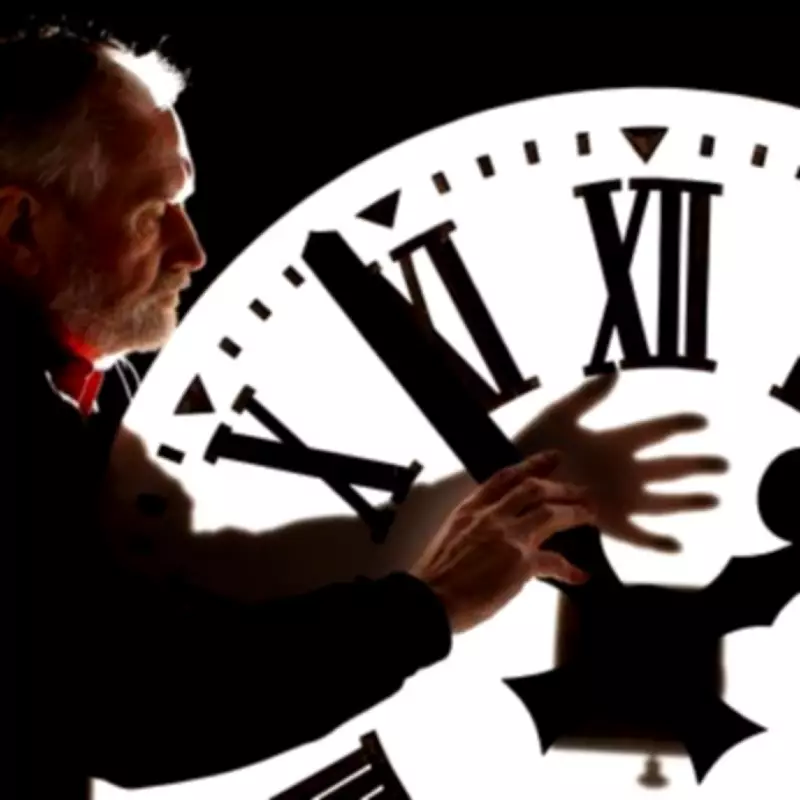
British Summer Time Commences on March 29
As the dark mornings and chilly evenings of winter gradually recede, many across Britain eagerly anticipate the arrival of spring and summer. The most significant shift occurs with the annual clock change, transitioning from Greenwich Mean Time (GMT) to British Summer Time (BST). This year, the clocks will spring forward on Sunday, March 29, remaining on BST until Sunday, October 25, when they will revert to GMT.
The Little-Known Four-Minute March Rule
Beyond the well-known hour shift, a fascinating phenomenon unfolds throughout March. According to data from timeanddate.com, each day in March gains just under four minutes of additional daylight. This incremental increase accumulates substantially by month's end, meaning residents experience more than just the extra hour from the clock change.
To illustrate, daylight times vary slightly by location. In London on March 1, the sun rises at 6:45 AM and sets at 5:40 PM, providing 10 hours, 54 minutes, and 53 seconds of daylight. By March 28—the day before BST begins—sunrise occurs at 5:45 AM and sunset at 6:26 PM, offering 12 hours, 41 minutes, and 50 seconds of daylight.

After the clocks advance on March 29, by March 31, sunrise in London is at 6:38 AM and sunset at 7:32 PM, resulting in 12 hours, 53 minutes, and 41 seconds of daylight. The progression continues into spring and summer.
Daylight Expansion Through Spring and Summer
The lengthening days persist beyond March. By April 30, daylight in London spans from 5:34 AM to 8:22 PM. On May 31, this extends further with sunrise at 4:49 AM and sunset at 9:07 PM.
Time and Date notes that the summer solstice, the longest day of the year, falls on Sunday, June 21, 2026, at 09:24 in London. On this date, the sun rises at 4:43 AM and sets at 9:21 PM, granting 16 hours, 38 minutes, and 22 seconds of daylight. This day is 8 hours and 49 minutes longer than the December solstice. The earliest sunrise typically occurs around June 17, with the latest sunset on June 24 or 25.
Sleep Impact and Historical Context of BST
With the clocks moving forward, there is an unfortunate trade-off: you lose an hour of sleep. The Royal Museums Greenwich offers a simple mnemonic: clocks 'spring forward' in spring and 'fall back' in autumn.
The practice of British Summer Time originated from a campaign over a century ago. In the early 20th century, advocates argued that adjusting clocks during summer months would allow better use of earlier daylight in the northern hemisphere. William Willett, an early promoter of BST and great-great-grandfather of Coldplay singer Chris Martin, published a 1907 pamphlet titled 'The Waste of Daylight'. He proposed changing clocks in spring and reverting in autumn, though his initial plan involved advancing clocks by 80 minutes in four 20-minute increments.
Willett died in 1915, but a year later, Parliament passed the Summer Time Act of 1916, establishing the current system of moving clocks one hour forward for the summer. This historical shift continues to shape our seasonal routines, blending tradition with the natural rhythm of increasing daylight.