Clocks Spring Forward in March 2026: British Summer Time Begins
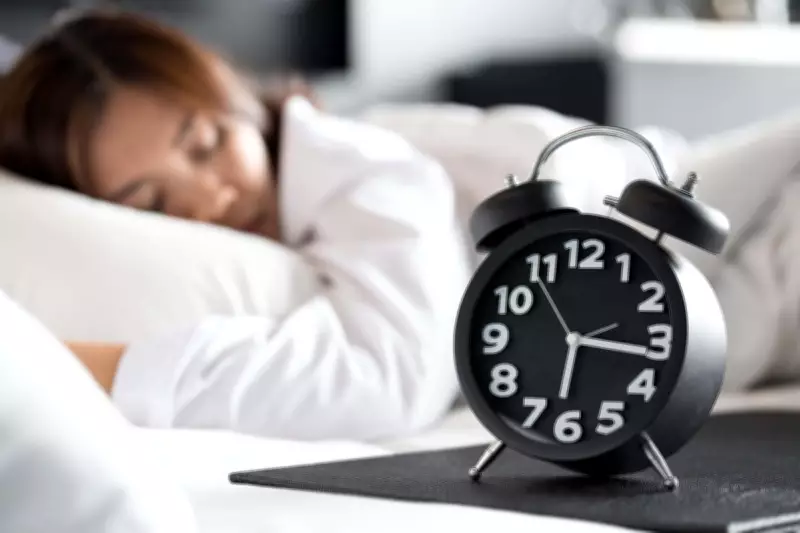
This year, the United Kingdom will officially transition into summer on Sunday, 29 March 2026, as clocks go forward by one hour. The annual change marks the start of British Summer Time, bringing lighter evenings but darker mornings, with the nation losing an hour of sleep in the process.
When Do the Clocks Change?
Every year, clocks go forward at 1am GMT on the last Sunday of March. In 2026, this falls on 29 March. When the clocks change, the UK's time zone switches from Greenwich Mean Time to British Summer Time, also known as moving from standard time to Daylight Saving Time.
Impact on Sunlight and Daily Life
Turning the clocks forward shifts an hour of sunlight from the mornings to the evenings, meaning sunrises and sunsets occur an hour later. This change heralds the beginning of longer days as the UK progresses towards the summer solstice, the longest day of the year. As spring advances, sunrises get earlier and daily sunlight increases.

By June, London will experience well over 16 hours of daylight, with the sun rising before 5am and setting after 9pm. This adjustment can boost leisure time, outdoor activities, and retail spending, while also potentially improving mood for many people due to extended daylight hours.
Historical Origins and Evolution
The idea of changing clocks was proposed in Britain by builder William Willett in a 1907 pamphlet titled The Waste of Daylight. Willett reportedly conceived the concept during early morning horse rides, observing how many people remained asleep despite daylight. Interestingly, his great-great-grandson is Chris Martin, the singer of Coldplay.
The Summer Time Act of 1916 first introduced the practice, setting legal time an hour ahead of GMT from spring to autumn. This was adopted during the First World War to conserve coal by maximising daylight use. Since then, the British time zone has changed twice:
- During the Second World War, British Double Summer Time was implemented from 1939 to 1945, with clocks going forward two hours in summer and remaining an hour ahead in winter.
- From 1968 to 1971, the Harold Wilson government trialled British Standard Time, where clocks went forward but not back. However, after a free vote, the House of Commons ended the experiment due to difficulties in assessing its pros and cons.
Common Myths and Public Opinion
Contrary to popular belief, the time change was not introduced to benefit farmers. In fact, farmers were never consulted, and altering clocks can disrupt farming routines and unsettle animals reliant on consistent schedules.
Public sentiment on the matter varies. A YouGov poll from October 2024 revealed that if the current system were scrapped, 59% of Britons would prefer permanently staying on British Summer Time. The poll showed a clear age divide, with younger Britons more in favour of the current system compared to those over 65.
In 2019, the European Parliament voted to end seasonal clock changes, allowing member states to choose a permanent time zone. However, this reform has not been implemented and remains on hold.
Benefits and Drawbacks
The primary advantage of moving clocks forward is lighter evenings, which can enhance leisure and economic activities. However, negatives include losing an hour of sleep, which can temporarily disrupt body clocks and sleep patterns. Darker mornings may also make early travel feel less safe for some individuals.
As the UK prepares for the 2026 change, understanding the history and effects of Daylight Saving Time helps contextualise this biannual ritual that shapes daily life across the nation.