Man Struck by Lightning Four Times Reveals Inner Transformation After Surviving
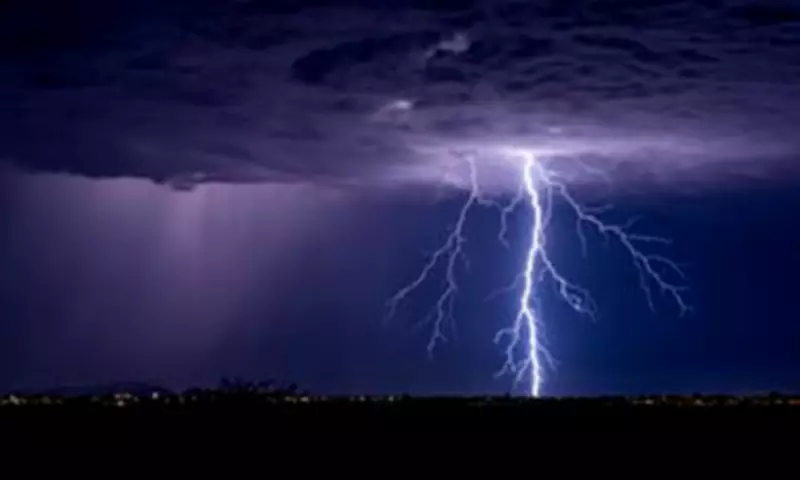
Gary Reynolds, a lumberyard worker from the United States, has endured the unimaginable experience of being struck by lightning an astonishing four times, leading him to describe feeling like a different person inside. His first encounter with the massive electric discharge occurred in 2007, with the most recent strike happening in 2022, leaving him with severe physical and emotional injuries that have reshaped his life.
The Global Impact of Lightning Strikes
It is estimated that approximately 240,000 people worldwide are injured by lightning strikes each year, with around 10 percent of those incidents resulting in fatalities. The effects of such strikes vary widely; some victims report excruciating pain, while others note that the adrenaline rush from the electricity coursing through their bodies can mask the sensation.
Gary Reynolds' Harrowing Experiences
Mr Reynolds' ordeal began nearly two decades ago when he was grabbing a soft drink from his outdoor fridge in his home garage. Speaking to The Atlantic, he recalled being bedridden for months due to agonising pain following the initial surge. Beyond the physical suffering, he struggled with concentration and found even simple tasks becoming far more challenging than before.

You still look the same and everything else, but it's like a different person inside, he told the magazine, encapsulating the profound internal changes he experienced.
Repeated Strikes and Their Consequences
Diagnosed with PTSD after the first strike, Mr Reynolds was shockingly struck again just 11 months later, despite the odds of such an event being around one in 1.2 million. This second incident occurred when he woke up with a pulsing headache near an open bedroom window, feeling a surge through his hand that turned half of it bright red. Unable to afford further treatment due to unpaid bills from the previous strike, his condition deteriorated, leading to dizziness and an inability to grip objects, which impacted his work with chainsaws.
The emotional toll extended to his personal life, as he and his wife divorced the following year, just months before their 20th anniversary. He noted that his wife lost sympathy over time, questioning why he had not moved on. This prompted him to relocate over 600 miles to North Carolina, where he took a new job at a lumberyard and eventually remarried.
Further Strikes and Ongoing Trauma
Devastatingly, Mr Reynolds was struck for a third time in 2016 at his mountainside home on a summer afternoon, and a fourth time in 2022 while watching TV on his sofa with his grandchildren. Reflecting on these events, he told his therapist, It's like it's looking for me. It's like it's a living, breathing creature.
Lightning Statistics in the UK and US
In the United Kingdom, around 30 to 60 people are struck by lightning annually, with those often outdoors, such as hill walkers, fishers, and golfers, being most at risk. Between two to three deaths are reported each year. In the United States, since 2006, there have been at least 444 fatalities from lightning strikes, with approximately 400 people likely struck every year. Regions like Florida, with intense heat, extreme humidity, and sea breezes, are hotbeds for lightning activity, increasing residents' likelihood of being struck.
After-Effects and Survivor Stories
The aftermath of lightning strikes often leaves survivors with significant trauma, though some report positive changes. While many endure chronic burns, PTSD, and nerve damage, others claim improved vision or miraculously healed injuries. For instance, an anonymous survivor named Matt described barely feeling pain or temperature changes due to nerve damage, leading him to undergo laser therapy and use a Faraday cage for sleep. He also pours salt in his mouth to manage intrusive thoughts.
Another survivor, Caroline, reported similar issues, including an inability to sweat and severe exhaustion that requires sticky notes for daily reminders. She no longer uses her oven due to frequent forgetfulness, having burned out the element multiple times.

Support and Community for Survivors
Steve Marshburn Sr, founder of Lightning Strike and Electrical Shock Survivors International, was struck by lightning at age 25 while working at a bank in North Carolina. For years, his story was met with disbelief by doctors and family. He now organises conferences for survivors, including Mr Reynolds, Matt, and Caroline, fostering a supportive community. Attendee Susan Deatrick remarked, I don't think luck has anything to do with it, but at the same time, God is in control over everything down to the minutest detail.
Safety Tips for Lightning Strikes in Britain
Understanding how to protect oneself from lightning is crucial. Here are key points based on advice from experts like The Royal Society for the Prevention of Accidents:
- Annual Statistics: Around 30 to 60 people are struck by lightning in Britain per year, with a fatality rate of five to 10 percent.
- High-Risk Groups: Golfers, hill walkers, swimmers, construction workers, rock climbers, fishers, boaters, campers, outdoors DIY enthusiasts, and agricultural workers.
- How Lightning Strikes: Direct strikes, flashes bouncing off objects, or pulses through the ground.
- Protection Measures:
- Check weather forecasts before outdoor activities.
- Seek shelter in large buildings or vehicles, with cars being safe options.
- Avoid sheltering near trees; if stuck outside, crouch with feet together, hands on knees, and head tucked in.
- When camping, avoid high points and keep tent poles away from metal objects.