Saharan Dust Brings 'Blood Rain' and Vibrant Sunsets to UK Amid Warm Spell
A remarkable weather phenomenon is unfolding across the United Kingdom, as Saharan dust transported from North Africa is set to create dramatic 'blood rain' and transform ordinary sunsets into vibrant displays of colour. This atmospheric event coincides with what could be the warmest day of the year so far, with temperatures potentially reaching 20 degrees Celsius in parts of the country on Thursday.
Atmospheric Transformation and Record Temperatures
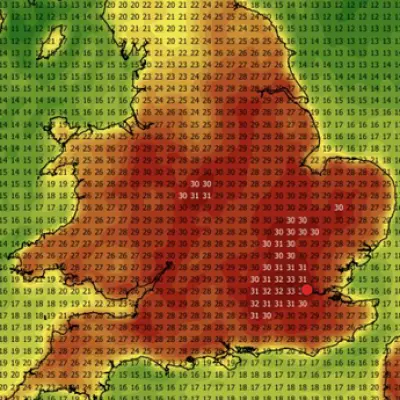
The Met Office has confirmed that Saharan dust is being blown northwards across Europe and towards Britain. This influx of fine desert particles interacts with sunlight and moisture in the atmosphere to produce spectacular visual effects. Simultaneously, thermometers are expected to climb significantly, potentially surpassing the previous 2026 high of 18.7 degrees Celsius recorded at Kew Gardens last week.
A Met Office spokesperson elaborated: "The London area is anticipated to be the warmest region nationwide today, with temperatures widely reaching the high teens. This combination of warmth and atmospheric dust creates ideal conditions for remarkable sunset displays."

Understanding 'Blood Rain' and Dust Transport
Jim Dale, senior meteorological observer at British Weather Services, clarified the nature of so-called 'blood rain': "The term 'blood rain' is certainly dramatic, but there is no actual blood involved. The phenomenon occurs when Saharan dust—extremely fine sand particles lifted from the Sahara desert by wind—combines with raindrops. This mixture leaves a distinctive red or brown coloured film on surfaces like cars and windows."
Claire Ryder, a professor specialising in dust transport at the University of Reading, explained the meteorological mechanics behind this event. "Strong, warm southerly winds are responsible for carrying this dust to the UK," she said. "The particles themselves are remarkably small—finer than a human hair—allowing them to remain suspended in the atmosphere for extended periods. They gradually settle or are removed by rainfall and cloud processes."
Optimal Viewing Conditions and Weather Outlook
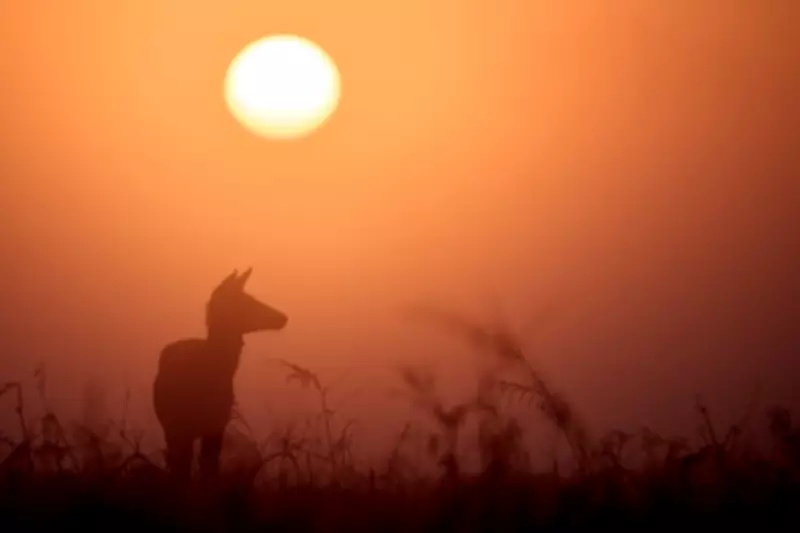
Professor Ryder identified eastern England as the prime location to witness the most impressive sunset displays on Thursday evening. "The peak dust concentration will occur overnight, intensifying significantly through the night and into Friday," she noted. "However, Friday's forecast includes increased cloud cover across many areas, making Thursday evening the optimal opportunity to observe these colourful atmospheric effects."
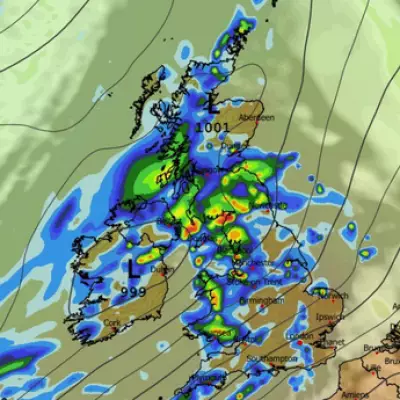
The broader weather pattern shows notable changes following Thursday's warmth. Friday will bring cloudier conditions to much of England and Wales, though Ireland and Scotland should enjoy sunnier weather. Temperatures will drop considerably, settling around 11 to 12 degrees Celsius across England and Wales.
The weekend forecast indicates a mixture of patchy cloud and sunshine, with temperatures gradually recovering. Saturday is expected to see highs of 12 to 13 degrees Celsius, rising to approximately 14 degrees Celsius on Sunday. This Saharan dust event serves as a vivid reminder of how interconnected global weather systems can produce extraordinary local phenomena, blending meteorological science with breathtaking visual displays across British skies.