Saharan Dust Cloud Sweeps UK, Bringing 'Blood Rain' and Vivid Sunsets
A significant weather event is unfolding across the United Kingdom this week as a vast plume of Saharan dust drifts northwards, creating a phenomenon known as 'blood rain' and promising spectacular sunrises and sunsets. This atmospheric occurrence, while largely cosmetic, will leave noticeable deposits on outdoor surfaces.
What is 'Blood Rain' and How Does It Form?
When Saharan dust mixes with rainfall, it can leave dirty, reddish-brown deposits on surfaces such as cars, windows, and garden furniture. This effect is commonly referred to as 'blood rain' due to its unusual appearance. The dust consists of fine sand and mineral particles lifted from the deserts of North Africa, travelling thousands of miles on warm southerly air currents before reaching British shores.
Stav Danaos, lead weather presenter with the BBC, explained: "The downside of Saharan dust is that when it mixes with rain, it can leave dirty deposits on surfaces, particularly cars and windows, a phenomenon commonly known as blood rain."

Geographical Impact and Weather Patterns
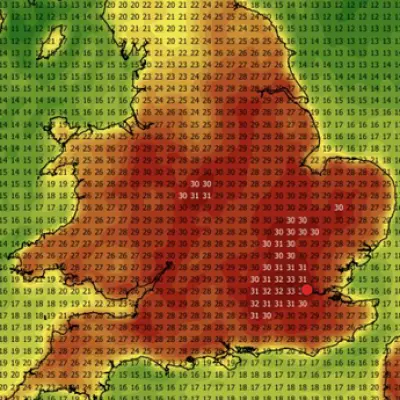
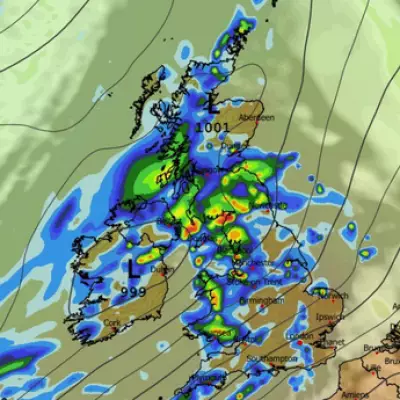
Parts of England and Wales are expected to experience the most pronounced effects this week, as dust concentrations are forecast to be highest there due to prevailing winds and the position of a high-pressure system. Rain is anticipated tonight across Wales and tomorrow morning in parts of northern England, with the heaviest rainfall expected across Cumbria.
Mr Danaos added: "Parts of England and Wales are expected to experience the most pronounced effects this week, as dust concentrations are forecast to be highest there due to prevailing winds and the position of high pressure system."
Spectacular Visual Displays and Timing
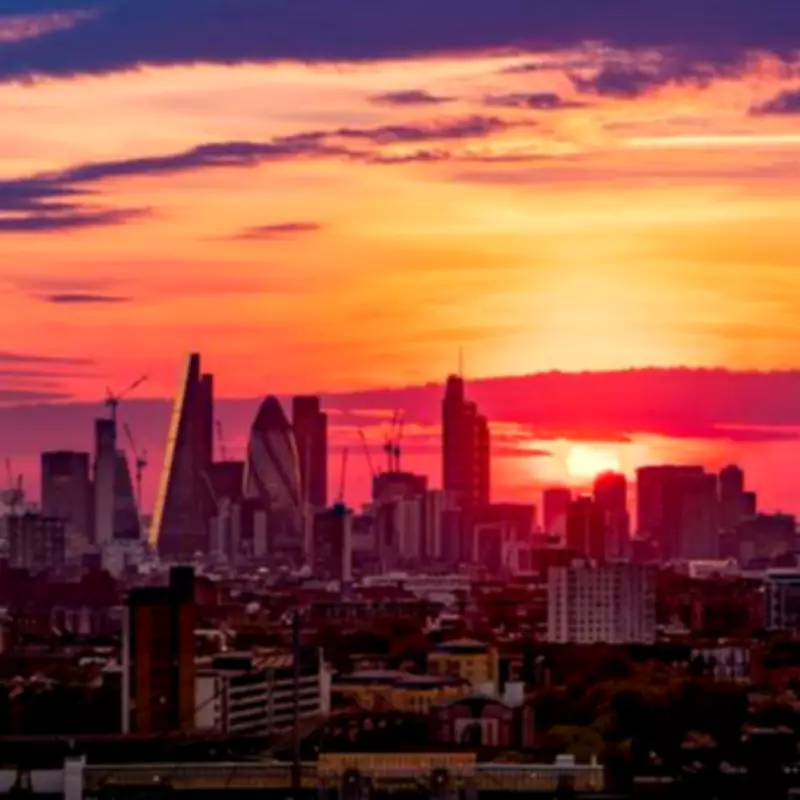
Beyond the 'blood rain', this atmospheric event will lead to remarkable displays of deep gold, amber, and burnt orange sunrises and sunsets, especially across southern England. The brightest colours are expected on Thursday and continuing into Friday, particularly when skies are clear at sunrise and sunset.
"The brightest colours are expected on Thursday and continuing into Friday, especially when skies are clear at sunrise and sunset. The most noticeable displays are likely to occur in England and Wales as clearer and cooler conditions arrive from the west by the end of the week," Mr Danaos noted.
Health Implications and Frequency of Events
Importantly, any disruption caused by the Saharan dust is largely cosmetic and not harmful to human health. These dust events typically occur a few times each year, most often in late winter and spring when southerly winds draw warm air north from the deserts of North Africa.
The BBC forecaster concluded: "These dust events usually occur a few times each year, most often in late winter and spring when southerly winds draw warm air north from the deserts of North Africa. This week the arrival of the dust coincides with a stretch of spring-like warmth across the country."
With today likely to be the hottest of the year so far, reaching up to 18°C in the Southeast of England, the combination of warmth and atmospheric dust creates unique weather conditions that will be visible across much of the country.