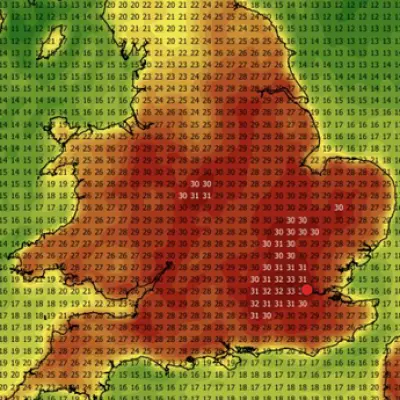
The Met Office has announced that Thursday could become the warmest day of the year so far, with temperatures forecast to reach as high as 19 degrees Celsius in some regions. This potential milestone comes as the UK experiences above-average temperatures for early March, marking a notable shift in the seasonal weather patterns.
Detailed Temperature Forecast
According to the latest predictions from the Met Office, maximum temperatures on Thursday are expected to range between 18C and 19C in specific areas, with more widespread readings of 16C to 17C across the country. This forecast follows last week's record, where temperatures peaked at 18.7C in Kew Gardens, setting the current benchmark for the warmest day of the year.
Weather Patterns and Regional Variations
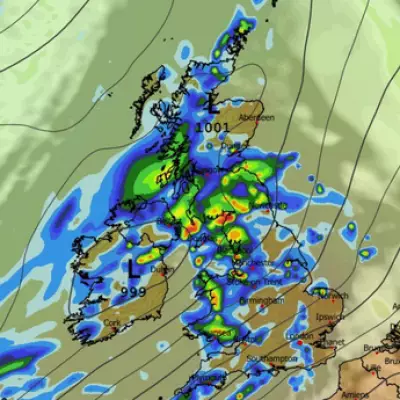
Met Office meteorologist Honor Criswick provided a detailed breakdown of the expected conditions. "We have got a band of cloud and rain, which could be heavy at times, in western areas. It's going to move its way eastwards," she explained. "To the east of that, it should be mostly fine, with lots of long sunny periods until that rain starts pushing into the east."

Looking ahead to Friday, the weather is set to change, with cloudier conditions forecast across much of England and Wales. In contrast, Northern Ireland and Scotland are expected to enjoy more sunshine. High temperatures on Friday will drop slightly, ranging from 11C to 12C across England and Wales.
Weekend Outlook and Seasonal Context
The weekend promises a mix of patchy cloud and some sunshine, with high temperatures of 12C to 13C on Saturday and around 14C on Sunday. Ms Criswick noted, "It's the first week of meteorological spring, so not a bad forecast." This statement underscores the seasonal transition, as the UK moves into spring with relatively mild and pleasant weather conditions.
The potential for Thursday to surpass last week's temperature record highlights the variability and warmth of this early spring period. Forecasters are closely monitoring the situation, as the combination of sunny spells and moving rain bands could influence the final temperature readings.