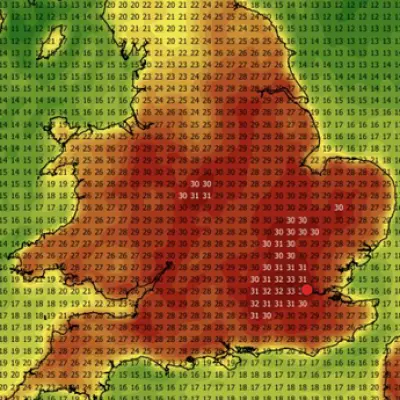
Following a notably dreary and wet winter season across the United Kingdom, forecasters have announced that brighter and warmer conditions are on the horizon for the upcoming weekend. The Met Office indicates that the persistent storms and overcast skies, which have dominated recent months, will gradually recede, making way for increased sunshine and milder temperatures.
A Winter of Limited Sunshine
This meteorological winter, spanning from December to February, has been characterised by a significant lack of sunshine, with the UK receiving only approximately 70% of its average seasonal sunlight to date. As the final week of winter approaches, meteorologists are optimistic about a shift towards more pleasant weather patterns.
Weekend Forecast: Sunshine and Showers
Saturday is expected to begin with damp conditions, particularly in eastern regions, where rain showers may occur. However, the day is predicted to brighten later on, with eastern England and eastern Scotland likely experiencing mostly dry weather. Sunday is forecast to be a day of sunshine and scattered showers across the nation, offering residents a welcome respite from the winter gloom.

Senior meteorologist Greg Dewhurst provided further details, stating, "Temperatures throughout next week, by day, look to be around between 10 and 14°C generally. Any sunnier breaks could see temperatures locally reach 15°C in the south." This suggests that southern England, in particular, may enjoy the warmest conditions as early as the start of the coming week.
Regional Rainfall Variations
The winter has not only been dull but also exceptionally wet for many areas, with overall rainfall exceeding the 30-year average. However, the distribution has been uneven, revealing stark regional contrasts upon closer examination.
- Eastern Scotland has recorded 114% of its average rainfall.
- Northern and north-western Scotland have experienced just 60% of their typical rainfall.
- The Midlands are at 140% of expected rainfall levels.
- North-west England stands at 90% of its average.
Mr Dewhurst noted that while this winter may not appear remarkable at a national level, these regional disparities highlight big differences across the UK. He added that the forthcoming week's weather, described as "pretty much business as usual," might help to balance some of these skewed averages before winter concludes.
Meteorological Explanations
Met Office presenter and meteorologist Alex Deakin explained the underlying causes for the wet conditions. "A southerly shift in the jet stream, driven by freezing conditions across North America, pushed low-pressure systems further south than usual. Combined with a blocking pattern that caused these systems to stall, this set up a semi-permanent south-easterly flow into the UK."
This atmospheric setup funnelled moisture from surrounding seas into specific regions, including south-west England, eastern Scotland, and the east of Northern Ireland, while western parts of Scotland remained drier than normal.
Climate Change Context
The Met Office emphasised that climate change provides important context for the observed weather patterns. Projections indicate a growing likelihood of intense storms, similar to those experienced this year, as global temperatures rise.
A warmer atmosphere has the capacity to hold more moisture—approximately 7% more for every degree Celsius of warming. Consequently, when rainfall occurs, it can result in heavier and more intense downpours, exacerbating the wet conditions witnessed during this winter season.
As the UK transitions from winter to spring, residents can look forward to the promised glimmers of sunshine and warmer temperatures, offering a hopeful conclusion to a challenging weather period.