Japan Earthquake: Travel Safety and Latest Advice After Tokyo Tremor
A magnitude-5 earthquake struck near Tokyo on Wednesday morning, causing temporary shaking but no serious damage or tsunami risk. Weather experts have cautioned that more tremors could follow in the coming days, though travel disruptions are expected to be minimal. This event highlights the ongoing seismic activity in Japan, a country well-prepared for such occurrences.
Details of the Earthquake and Impact
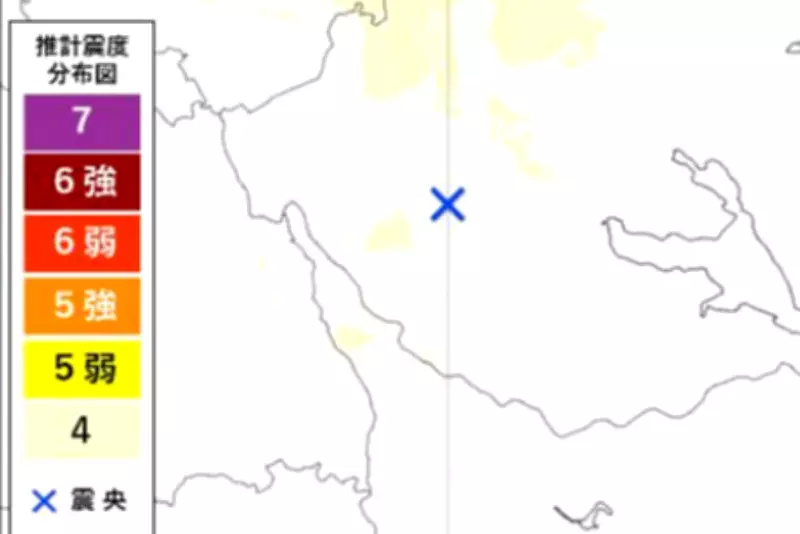
The earthquake occurred at 10:06 am local time on Wednesday, with its epicentre located in the Southern Ibaraki Prefecture at a depth of 48 kilometres. It registered a maximum seismic intensity of 5- on Japan's shindo scale, which measures ground shaking rather than overall energy. This intensity level can frighten people and may cause objects like dishes and books to fall, but furniture is unlikely to topple unless the tremor reaches 5+.
Strong shaking was felt in Mooka City, Tochigi Prefecture, with seismic intensities ranging from 4 to 1 observed from the Tohoku region to the Chubu region. As a result, several bullet train services between Sendai and Tokyo stations experienced delays for hours due to safety inspections. However, no significant harm or widespread travel disruption has been reported.

Potential for Aftershocks and Safety Measures
The Japan Meteorological Agency (JMA) has confirmed there is no tsunami risk from this earthquake. However, areas that experienced strong shaking may be more susceptible to rockfalls and landslides. The JMA advises visitors and residents to remain vigilant, as earthquakes of up to magnitude 5 on the Japanese seismic intensity scale could occur for about a week after the initial event, with larger-scale tremors more likely in the next two to three days.
Already, smaller tremors have been recorded, including a 4.8 magnitude earthquake off the coast of Miyagi Prefecture and a 3.2 tremor in the Central Tokachi Region of Hokkaido. In Japan, strong earthquakes are common, with the last recorded magnitude-5 event occurring on 11 January in the Eastern Shimane Prefecture.
To enhance safety, the JMA broadcasts earthquake early warning alarms via TVs, radios, and smartphones before strong vibrations occur. Japan's widespread use of earthquake-resistant structures in buildings provides significant protection. During an earthquake, it is advised to stay inside until it is safe to go outside. The UK's Foreign Office recommends monitoring earthquake information from the JMA and following local authority instructions, as well as utilising helpful apps and websites for disaster preparedness.
Travel Implications and Insurance Considerations
As the UK Foreign Office has not issued a warning against non-essential travel to Japan, holidays are not automatically cancelled. Travel providers set their own cancellation policies, so it is best to contact them directly if considering postponement. Generally, companies are not obligated to refund bookings for cancellations due to safety concerns unless government advice changes.
Travel insurance policies may include natural disaster cover for events that prevent reaching a destination, but claims typically require official warnings. It is crucial to check individual insurance policies and consult with insurers to understand coverage options. For those in Japan, taking note of safety instructions in hotel rooms and at train stations is essential for staying informed and secure during seismic events.