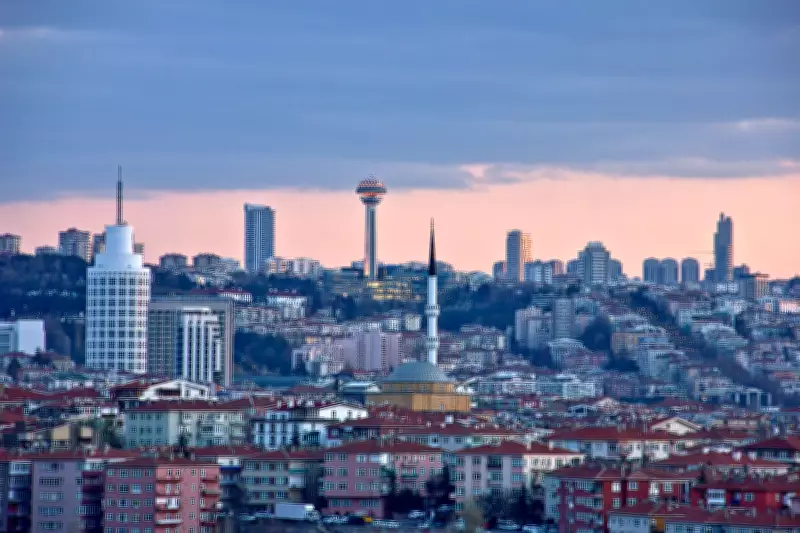
As hostilities intensify across the Middle East involving the United States, Israel, and Iran, mounting concerns have emerged regarding the safety of travel to neighbouring regions. Turkey, a favoured destination for British tourists, shares its eastern frontier with Iran, prompting scrutiny from holidaymakers and authorities alike.
Current FCDO Guidance for Turkey
As of Tuesday morning, the UK Foreign, Commonwealth & Development Office (FCDO) has not issued any new advisories against travel to Turkey. However, this excludes a pre-existing restriction advising against all travel within 10 kilometres of the border with Syria, citing ongoing fighting and an elevated risk of terrorism.
The FCDO emphasises that while Turkey is generally considered safe for visitors, regional escalation presents significant security risks and has already caused travel disruption. For those crossing the land border from Iran into Turkey, specific protocols are in place. British nationals must request facilitation from the British Embassy in Ankara by contacting the FCDO prior to approaching the border, as the border remains open visa-free for stays up to 90 days for UK or Iranian passport holders.

Critical Warning: The FCDO stresses that leaving Iran overland is undertaken at one's own risk. In Iran, merely holding a British passport or having perceived links to the UK can be grounds for detention by Iranian authorities.
Advice for Travellers Already in Turkey
For individuals currently in Turkey, the FCDO recommends adhering to local authority instructions. Key measures include signing up for FCDO Travel Advice email alerts, avoiding proximity to security or military installations, and keeping abreast of developments through local and international media.
Travellers should ensure their travel documents are current and be prepared to seek shelter indoors or in the nearest secure building if advised to do so. These precautions are vital for maintaining safety amidst fluctuating regional dynamics.
Flight Operations and Cancellations
Flights between the UK and major Turkish airports such as Istanbul, Antalya, and Ankara are largely operating on schedule, according to FlightRadar. Nonetheless, widespread delays and cancellations are possible due to the volatile situation.
Turkish Airlines has cancelled some flights to and from destinations including Bahrain, Dammam, Riyadh (Saudi Arabia), Iran, Iraq, Jordan, Kuwait, Lebanon, Oman, Qatar, Syria, and the United Arab Emirates. The airline is monitoring regional airspace in real time and may implement additional cancellations as circumstances evolve.
Cancelling or Postponing Holidays
Since the FCDO has not advised against non-essential travel to Turkey, no special circumstances exist for obtaining full refunds on cancelled trips. The ability to cancel or postpone depends entirely on the terms set by individual holiday providers.
Travellers are urged to contact their providers directly if considering changes to their plans. Importantly, companies are not obligated to refund bookings based on personal safety concerns, and travel insurance claims for such reasons will not be valid unless official government advice changes.
This situation underscores the importance of staying informed and flexible when planning travel to regions affected by geopolitical tensions. Always consult the latest FCDO updates before making any decisions.