

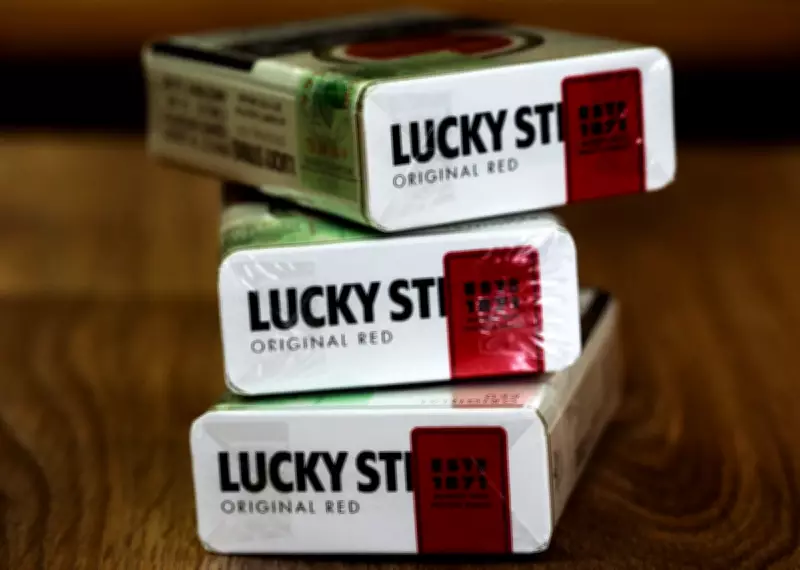
British American Tobacco Accused of Funding North Korean Terrorism in Major Lawsuit
British American Tobacco (BAT), one of the world's largest tobacco corporations, faces a significant civil lawsuit alleging it helped fund North Korean terrorism through illicit business operations. The legal action, filed by hundreds of US military service members, civilians, and their families, seeks unspecified damages for what plaintiffs describe as BAT's role in enabling deadly attacks against Americans.
Historical Joint Venture and Secret Operations
The controversy centres on BAT's joint venture established in 2001 with a North Korean company to manufacture cigarettes within the isolated nation. Despite mounting international pressure and US sanctions against North Korea for terrorism funding, the venture continued covertly. A 2005 Guardian investigation first exposed the ongoing operation, which BAT publicly claimed to have terminated in 2007.
However, according to the US Justice Department's 2023 findings, the company secretly maintained its North Korean activities through a subsidiary. Matthew Olsen, then head of the Justice Department's national security division, stated during a Senate hearing that BAT's venture facilitated approximately $418 million in banking transactions, with revenue allegedly advancing North Korea's weapons programmes.

Deferred Prosecution and Substantial Fines
In 2023, BAT entered a deferred prosecution agreement, with its subsidiary pleading guilty to conspiring to violate sanctions and commit bank fraud. The settlement required payment of $629 million in fines to the US government. At the time, then-CEO Jack Bowles issued a statement expressing deep regret for the misconduct from historical business activities.
"We acknowledge that we fell short of the highest standards rightly expected of us," Bowles stated, emphasising BAT's commitment to enhanced compliance, ethics, and sanctions programmes. The company maintains it has transformed its approach to responsible business conduct in recent years.
Civil Lawsuit Seeks Compensation for Attack Victims
The new civil lawsuit, filed under federal law allowing terrorist attack victims to sue third parties allegedly aiding attacks, represents approximately 200 service members suffering injuries including traumatic brain injuries and post-traumatic stress disorder. Plaintiffs also include family members and the estate of a man killed while assisting refugees.
"This case alleges a clear nexus between BAT's clandestine scheme in North Korea and the weapons used in deadly terrorist attacks," explained Ryan Sparacino of Sparacino PLLC, representing the plaintiffs. The complaint specifically links BAT's operations to weapons development for Iran's Revolutionary Guard and Hezbollah.
Alleged Connection to Specific Attacks
The lawsuit argues North Korea used profits from BAT's cigarette venture and smuggling operations to fund weapons of mass destruction allegedly used in multiple attacks. These include the 8 January 2020 assaults on al-Asad and Erbil airbases in Iraq, where over 100 soldiers suffered traumatic brain injuries, and a 2022 missile attack in Kurdistan that killed more than a dozen people.
"The devastating harm caused by terrorist violence does not fade with time – families carry it every day," said Raj Parekh, former acting US attorney for Virginia's eastern district and co-counsel for plaintiffs. "This case is about pursuing justice for American service members, civilians, and their loved ones."
Corporate Knowledge and Legal Precedents
The complaint alleges BAT knew or recklessly disregarded that its joint venture financed missile and rocket attacks against Americans, persisting for at least a decade despite repeated warnings. The lawsuit cites the company's monitoring of government reports and media coverage regarding North Korea's terrorist activities.

This case emerges amidst evolving legal landscapes concerning corporate liability for terrorism. In 2023, the US Supreme Court unanimously ruled that victims of a 2017 Islamic State attack could not claim damages from social media platforms without proving companies "consciously and culpably" assisted terror acts. Meanwhile, a federal appellate court recently revived a lawsuit against pharmaceutical companies accused of funding terrorism in Iraq through bribery allegations.
The BAT lawsuit represents a significant test of corporate accountability for alleged indirect support of state-sponsored terrorism through business operations in sanctioned nations.





