From Punk Van to Corporate Behemoth: The BrewDog Saga
What began as a rebellious venture between two friends selling homebrewed beer from a van with a defiant, Sex Pistols-inspired punk ethos has transformed dramatically over nearly two decades. BrewDog, once the epitome of DIY craft beer rebellion, now stands as a corporate giant mired in controversy, financial losses, and a stark departure from its roots.
The Rise and Fall of a Craft Beer Icon
Founded in 2007 by fisherman James Watt and brewer Martin Dickie in Fraserburgh, Aberdeenshire, BrewDog emerged when "craft beer" was still a novel concept. With a £20,000 bank loan, they created Punk IPA—a brash, hoppy beer that became an instant hit. Their ambition quickly grew; a further £150,000 loan, secured through a fabricated story about competing bank offers, landed Punk IPA on Tesco shelves.
The duo's flair for controversy became their trademark. They produced Tokyo*, an 18.2% stout that was the UK's strongest beer at the time, adorned with the provocative label: "Everything in moderation, including moderation itself." This sparked accusations of promoting binge drinking and led to a ban from the Portman Group, the voluntary alcohol regulator. In response, BrewDog released Nanny State, a 1.1% ale, marking the first of many PR stunts.

By 2012, BrewDog had established its permanent base in Ellon, Aberdeenshire, employing 140 staff, operating 10 bars, and boasting 6,500 shareholders through its Equity for Punks (EFP) scheme. This initiative allowed fans to invest in exchange for discounts, invites to AGMs, and potential financial returns if the company was sold.
Controversial Stunts and Corporate Shifts
BrewDog's antics included projecting naked images of Watt and Dickie onto Parliament, bottling 55% strength beer inside taxidermied rodents, and creating beers like "Hello My Name is Vladimir"—a protest against the 2014 Sochi Winter Games. They even parachuted toy cats across London to promote EFP, framing themselves as plucky underdogs against corporate giants.
However, the punk facade began to crack in 2017 when BrewDog sold a 23% stake to US private equity firm TSG for £213 million, netting Watt and Dickie £100 million. This deal granted TSG preferential treatment in any future sale, sidelining ordinary EFP investors who had invested an average of £400 each. Critics noted that partnering with a $13 billion investment portfolio was hardly "punk rock."
Allegations and Reputational Damage
In June 2021, 300 former employees under the name Punks With Purpose published an open letter alleging a toxic work culture built on fear, with staff overworked and safety guidelines ignored. They claimed the company's DIY ethos was a front, blaming Watt for fostering a "rotten culture."
A BBC documentary in late 2021 further damaged BrewDog's reputation, with allegations that Watt kissed intoxicated customers and that female staff were advised to avoid his attention. Watt denied inappropriate behavior but apologized for making anyone uncomfortable. The documentary also revealed he had purchased £500,000 worth of Heineken shares and invested £2 million in a Cayman Islands hedge fund—contradicting BrewDog's anti-corporate stance.
Financial Struggles and Environmental Backtracking
BrewDog has posted cumulative losses of £148 million over the past five years, with 2,000 bars dropping Punk IPA in a year. The company's environmental and social credentials have also unraveled. Its B Corporation certification was stripped in December 2022, and it no longer pays the "real" Living Wage. The Lost Forest project, aimed at making BrewDog "carbon negative," was sold after half the trees died, admitting Lost Lager sales weren't directly funding reforestation.
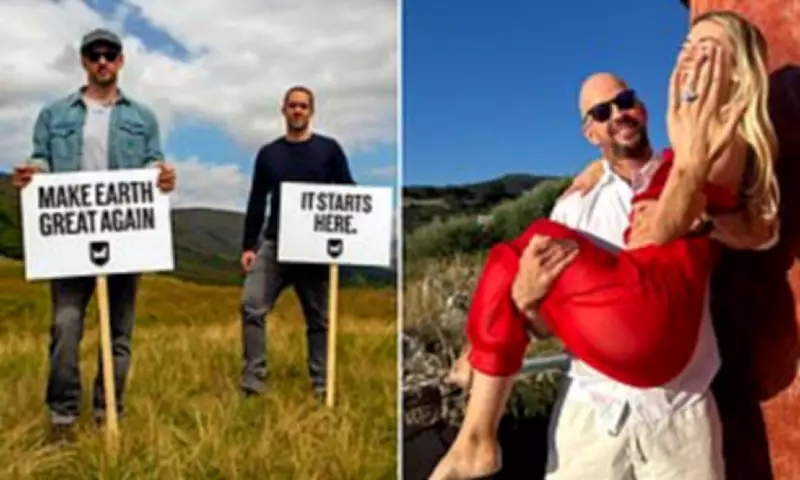
Recent moves include shutting down its distillery and launching alcohol-free beers with added minerals for Gen Z. Meanwhile, Watt stepped down as CEO in 2024, remaining as "Captain," and married reality star Georgia Toffolo in 2025. Co-founder Martin Dickie left in 2025, citing personal reasons.

Investor Outrage and Uncertain Future
With BrewDog now up for sale, its 220,000 EFP investors face likely losses, as TSG's preferential shares put them at the bottom of the payout queue. On the EFP forum, anger simmers, with one investor writing: "Brewdog has stopped doing what it was built to do... all we’re getting is cans and cans of generic mass-produced rubbish."
As financial experts assess a potential breakup, the once-revolutionary brewery sails through troubled waters. Watt has ventured into biohacking and Social Tip, a platform paying users for brand promotions, while investors watch their dreams fade. BrewDog's journey from punk van to corporate behemoth ends not with a bang, but a whimper of disillusionment.