Consumer confidence has unexpectedly declined in a significant setback for retailers, as households increasingly shy away from major purchases despite a gradual easing of inflationary pressures. The latest figures reveal a concerning trend that underscores ongoing economic fragility.
Key Index Falls to November Levels
GfK's long-running Consumer Confidence Index recorded a three-point drop to minus 19 in February, returning to a level last observed in November. This decline occurred even as inflation rates showed signs of moderation, suggesting deeper underlying concerns among consumers.
Personal Finance Perceptions Weaken
The deterioration was primarily fueled by substantially weaker perceptions regarding personal financial situations. Both retrospective assessments of finances over the past year and forward-looking expectations for the coming twelve months fell by four points each, indicating growing pessimism about household economic prospects.

Major Purchase Intentions Decline
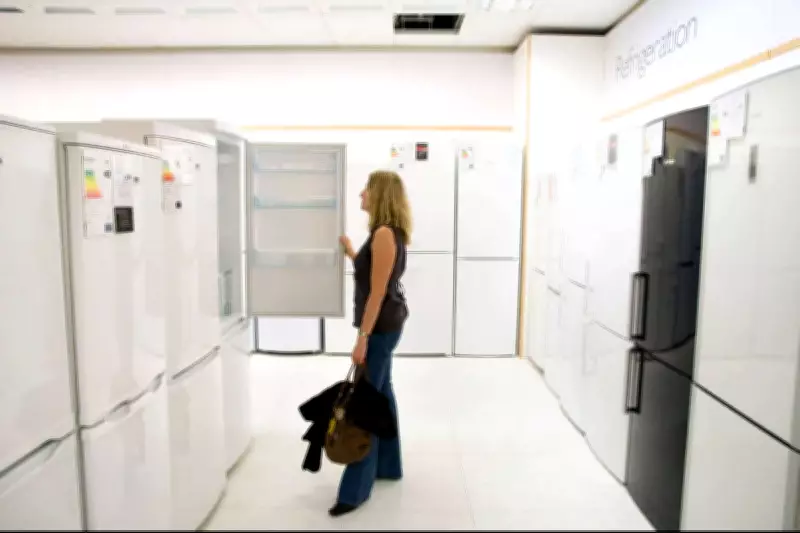
In a particularly worrying signal for retailers, the major purchase index – which measures confidence in buying big-ticket items such as appliances, furniture, and vehicles – also dropped by four points to minus 14. This suggests consumers are becoming increasingly cautious about committing to significant expenditures.
Broader Economic Outlook Remains Gloomy
Expectations for the general economic landscape over the next twelve months remained stagnant at minus 31, identical to the score recorded one year ago. This persistent negativity reflects widespread concern about limited economic growth prospects in the coming months.
Saving Confidence Plummets
Meanwhile, a separate measure tracking confidence in saving money – which forms part of the survey but doesn't contribute to the overall index – experienced a sharp seven-point decline to 21. This represents a substantial nine-point decrease compared to the same period last year, highlighting growing financial pressure on households.
Expert Analysis Points to Multiple Pressures
Neil Bellamy, Consumer Insights Director at GfK, provided crucial context for these findings. "Fewer people now believe it's an appropriate time to make major purchases, and fewer consumers express intentions to save money," he explained.
Bellamy elaborated on the complex economic backdrop: "Although inflation rates are gradually easing, prices continue their upward trajectory, compelling numerous households to prioritise immediate daily expenses over longer-term financial planning and larger investments."
Employment Concerns Compound Challenges
The analysis further identified employment market weaknesses as a significant contributing factor. "Unemployment has reached its highest level in nearly five years, heightening anxieties about job security, particularly against a backdrop of sluggish wage growth," Bellamy noted.
He warned of particular demographic impacts: "With reduced entry-level opportunities available, lower-income households are already experiencing considerable strain. This troubling trend risks undermining the typically more optimistic outlook traditionally maintained by younger age groups, potentially creating longer-term economic consequences."
The February data paints a picture of consumer sentiment caught between moderating inflation and persistent economic headwinds, with implications for retail performance and broader economic recovery throughout 2026.