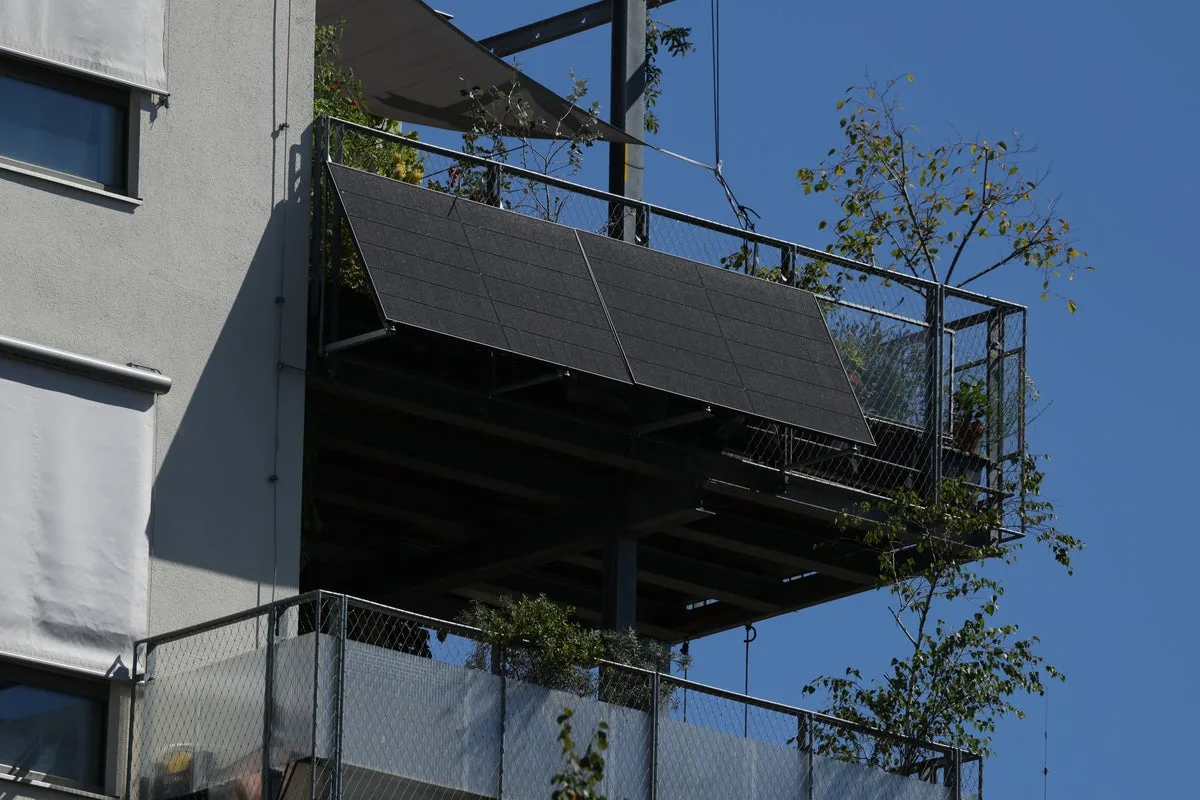
Plug-in solar panels, also known as balcony solar panels, could soon be available on UK shelves after the government announced plans to make the technology easier to use in British homes. Retailers including Lidl and Iceland, along with solar brands like EcoFlow, are working with ministers to bring approved plug-in solar kits to the UK market.
Unlike a full rooftop solar installation, plug-in solar panels offer a lower-cost way to generate some of your own electricity without scaffolding or major building work. A typical kit includes one or more solar panels and a microinverter, which converts the electricity generated into a form your home can use. Some systems are designed for balconies, patios, garden walls or sheds, making them particularly appealing to renters and flat owners.
When the sun shines, the panel generates electricity that is used by whatever appliances are running in your home at the time, reducing the amount of power you need to import from the grid. This could help offset the electricity used by everyday appliances such as a fridge, wifi router, laptop, TV or washing machine while the system is generating power.

Plug-in solar is already common in parts of Europe, particularly Germany, where balcony solar kits have become popular among apartment dwellers. The UK has been slower to adopt the technology due to wiring and grid-connection rules, but the government now wants to remove some barriers and make approved products available to British consumers.
Households should wait for products that are clearly certified for the UK market rather than buying imported kits designed for countries with different electrical rules. The safe and compliant route will depend on the product, the connection method and final UK standards. Government estimates suggest some households could save around £70 to £110 a year on energy bills, though actual savings depend on factors such as a sunny, south-facing balcony or daytime electricity use.
If a kit costs around £400 to £500 and saves £70 to £110 a year, the payback period could be roughly four to seven years in favourable conditions. After that, the system could continue reducing electricity bills for several more years, provided it remains in good working order.