The Rise of Food Porn and Its Effects on Dining
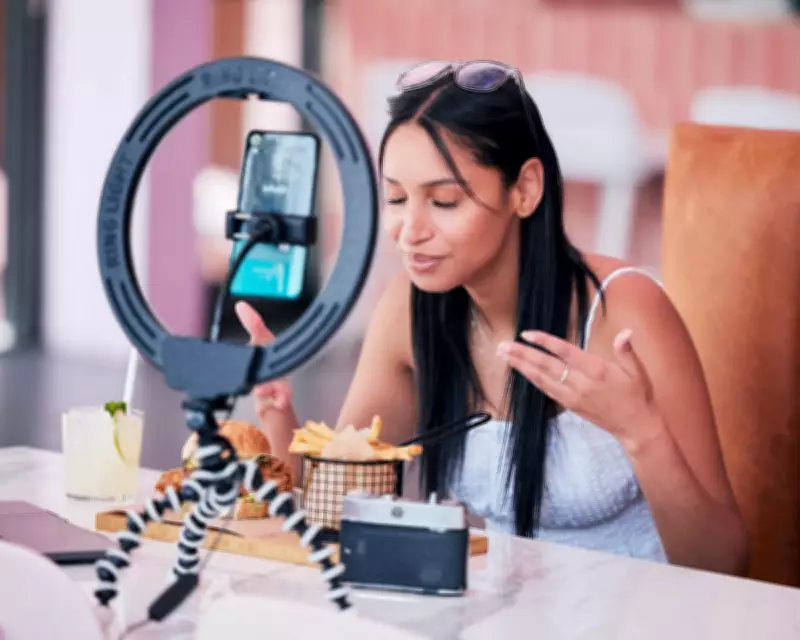
The phenomenon known as 'food porn'—highly stylised and often glamorous photographs of meals shared extensively on social media platforms—has become a dominant force in contemporary dining culture. While these images can drive customer interest and boost restaurant visibility, they are also sparking significant debate about their broader impact on the restaurant industry. Critics argue that the obsession with perfect, Instagram-worthy dishes is undermining the authenticity of culinary experiences and placing unsustainable pressures on chefs and establishments.
Authenticity Versus Aesthetics in Modern Dining
One of the primary concerns is that food porn prioritises visual appeal over taste and quality. Diners, influenced by curated online images, may expect meals to look exactly as portrayed, leading to disappointment when reality does not match the digital ideal. This shift can erode the traditional focus on flavour, texture, and culinary craftsmanship, as restaurants feel compelled to design dishes primarily for photographic impact rather than gastronomic satisfaction.
Increased Pressure on Chefs and Restaurant Operations
The demand for photogenic food has intensified workloads in kitchens, with chefs often needing to spend extra time on presentation and styling. This can slow down service, increase food waste from discarded imperfect items, and raise operational costs. Additionally, the pressure to constantly innovate and create visually striking dishes may detract from time spent on recipe development and quality control, potentially compromising the overall dining experience.

Sustainability and Economic Challenges for the Industry
From a sustainability perspective, food porn encourages excess, such as oversized portions or elaborate garnishes that are not consumed, contributing to food waste. Economically, smaller or independent restaurants may struggle to compete with larger chains that have greater resources for professional photography and marketing, leading to market consolidation and reduced diversity in dining options. The trend also risks alienating customers who value substance over style, potentially shrinking the customer base.
Balancing Social Media Engagement with Culinary Integrity
Despite these challenges, many in the industry see opportunities in food porn, using it as a tool for promotion and community building. To mitigate negative effects, experts suggest that restaurants focus on authentic storytelling, highlight sustainable practices, and engage with customers beyond mere aesthetics. By fostering a culture that values both visual appeal and culinary excellence, the industry can adapt to the digital age without sacrificing its core principles.