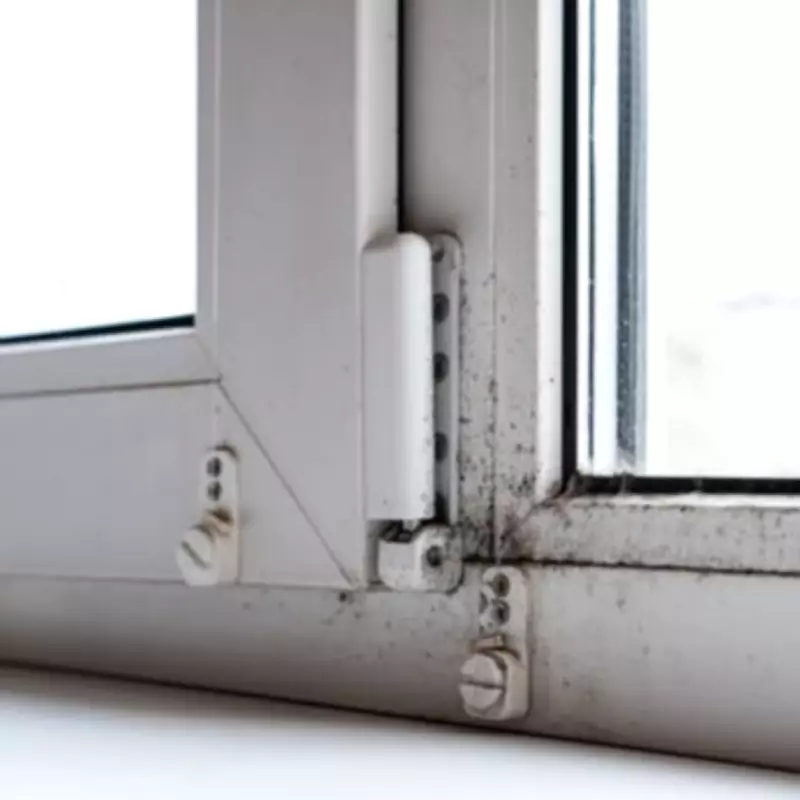
UK households are being advised to tackle the persistent problem of black mould with a simple, natural solution that is likely already present in their refrigerators. This common food item offers an effective and chemical-free approach to eliminating mould, which can pose serious health risks if left untreated.
Understanding Black Mould and Its Dangers
Black mould is a frequent issue in many homes, particularly during the colder months when damp conditions prevail. It often appears as dark spots, ranging from black to dark green, with a slimy or damp texture. The mould typically thrives in areas with high moisture levels, such as around windows, in bathrooms, and kitchens, where condensation and leaks are common.
According to window experts at Scott James, black mould is not just unsightly but also hazardous. They explain that it releases spores called mycotoxins, which are akin to invisible dust. Inhaling these spores can damage airways and lungs, and may also negatively affect the skin and nervous system. Common causes of mould growth include leaking window frames, poor roof maintenance, insufficient heating, dripping pipes, rising damp, and excessive condensation.

Why Lemon Juice Works as a Natural Remedy
While chemical cleaners can be effective, they often contain harmful ingredients that pose risks when inhaled or ingested. In contrast, lemon juice provides a safer alternative. The Clorado Property Group highlights that lemon juice, with its 5% acid content, is highly effective at removing mould naturally.
How to Use Lemon Juice for Mould Removal
To use lemon juice as a mould remover, follow these steps:
- Start by cleaning the affected area with simple soap and water to remove surface dirt.
- Rinse the area thoroughly to ensure no soap residue remains.
- Apply full-strength lemon juice directly onto the mould. This can be done using a spray bottle or by soaking a scrubber sponge in the juice.
- Immediately scrub the area with a brush or scrub sponge to break down the mould.
- Repeat the process as needed until satisfactory results are achieved, ensuring all mould is eliminated.
Lemon juice can be used freshly squeezed or as a concentrate, making it a convenient and accessible option for households. This method not only cleans effectively but also avoids the potential health hazards associated with chemical-based products.
Additional Tools for Tackling Mould
Depending on the severity and location of the mould outbreak, additional equipment may be necessary. For smaller patches, basic tools like a brush (metal for timber, soft-bristled for fabrics, or a toothbrush for tight spaces) and a spray bottle with adjustable settings are usually sufficient. However, for more serious infestations, it may be necessary to seal off the area with plastic sheeting and use a dehumidifier to reduce moisture levels, preventing future growth.
By adopting this natural approach, UK residents can maintain a hygienic and safe home environment, addressing mould issues without resorting to aggressive chemicals. This not only protects health but also promotes a more sustainable cleaning practice.