Portland Pizza Parlor's Mandatory Political Pop-Up Triggers Customer Backlash
A pizza restaurant in Portland, Oregon, has ignited controversy by requiring customers to read a strongly worded political message condemning U.S. Immigration and Customs Enforcement (ICE) before they could place online food orders. Tastebud, a local pizza parlor, initially displayed a pop-up on its website that contained explicit language and a series of activist slogans, which has since been replaced with a milder version after facing significant public criticism.
The Original Controversial Message
According to reports from Fox News, the original pop-up message presented to hungry patrons attempting to order through Tastebud's website read: 'Food is Political, No one is illegal on stolen land, F*** ICE, Abolish ICE, Release the Trump/Epstein files,' followed by an option to subscribe to the restaurant's newsletter. The message continued with a list of statements including 'Black Lives Matter, Trans women are women, Trans men are men, Love your LGBTQ+ neighbors, Free Palestine, The holocaust was real, Healthcare is a human right, Masks save lives, Get your damn vaccines, Wash your hands, Germ theory is science, Cook chicken to 165, Stay hydrated.'
Softened Stance After Negative Reviews
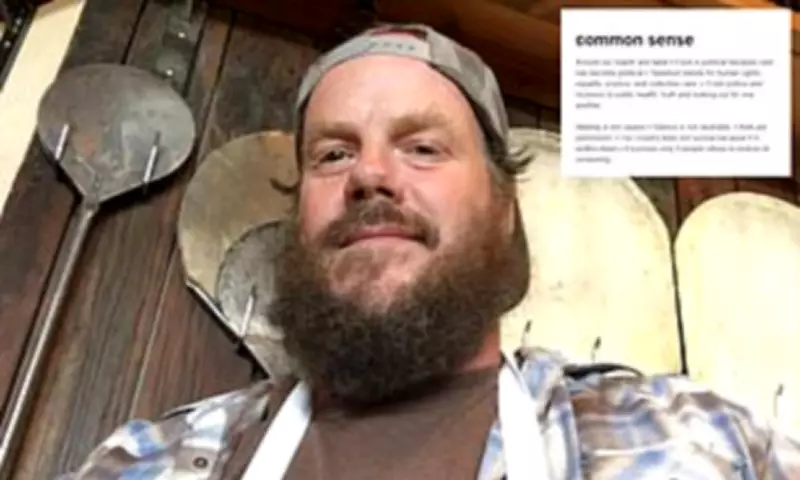
Following a surge of negative reviews, Tastebud altered the pop-up to a much softer message labeled 'Common Sense'. The revised text states: 'Around our hearth and table. Food is political because care has become political. Tastebud stands for human rights, equality, science, and collective care. From justice and inclusion to public health, truth, and looking out for one another.' It adds, 'Waiting is not caution. Silence is not neutrality. Both are permissions. Our country does not survive because it is written down. It survives only if people refuse to endure its unraveling.'

Customer Backlash and Review Bombing
The mandatory political messaging prompted a wave of outrage among customers, with many leaving scathing reviews on platforms like Yelp. One user complained, 'Terrible food combined with being forced to listen to their politics. I don't care about your personal politics. Why would you limit your buying audience?' Another added, 'This establishment went off on a rant against ICE, so we will no longer be patronizing it with our family and friends. Bad move, keep food out of politics.' A third reviewer wrote, 'Yikes! What is going on with this place? Here they mix food with B*******!... Seems crazy to me. Kind of like suicidal empathy. Patronize this place if you dare.'
Restaurant's Defense and Political History
In response to the backlash, Tastebud posted a review defending its stance, stating, 'This place is getting review bombed for standing up for their neighbors being terrorized by the federal government. Pay no mind to low reviews from February 15, 2026.' Owner Mark Doxtader, who opened Tastebud in 1999, has a history of blending food with political opinions. In a post on January 30 about a general political strike, the restaurant explained it would remain open but donate 'a percentage of sales to organizations that are on the ground fighting, helping those who are directly affected by DHS/ICE/CBP and their lawless and terroristic actions.'
Broader Context and Public Opinion
The restaurant's message referenced specific incidents, such as the fatal shootings of Renee Nicole Good and Alex Pretti by federal agents, which have contributed to intense scrutiny of ICE. New polling from the Daily Mail, conducted by JL Partners on January 26, indicates that 53 percent of registered voters believe ICE and Customs and Border Protection's raids and presence in U.S. cities should now end. This reflects a growing public debate over immigration enforcement and the role of federal agencies.
Despite the softened message, the incident highlights the increasing trend of businesses incorporating political activism into their operations, often at the risk of alienating customers. Tastebud's experience serves as a cautionary tale about the potential consequences of forcing political views on consumers in a polarized climate.