The Posh Egg Predicament: How They Became a Status Symbol and Shoplifting Target
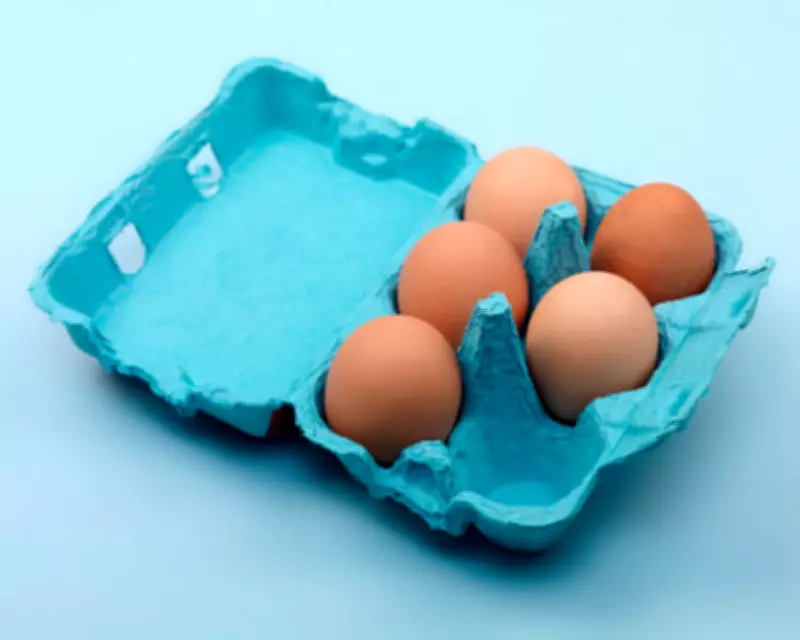
In today's grocery aisles, a new luxury item has emerged: posh eggs. These aren't your average breakfast staples; they come from fancy breeds like Burford Browns, Old Cotswold Legbar, and Longstock Gold, with shells in hues of blue, white, or green, and deep orange yolks. But with prices soaring as high as £4.50 for half a dozen, they've become more than just food—they're a status symbol. However, not everyone is willing to pay the premium, leading to a sneaky trend of shoplifting that's stirring up controversy.
The Rising Cost of Eggs
Egg prices have climbed significantly due to increased feed costs, higher energy bills, and bird flu restrictions. While a dozen standard eggs might set you back around £3, free-range and organic options often start at £3.50. The posh varieties, however, push the envelope further, with some costing £4 or more for just six eggs. These premium products boast unique attributes, such as coloured shells from breeds like Seabright Sage chickens or impeccable provenance, making them a coveted item for those looking to flaunt their culinary sophistication.
The Shoplifting Scheme
As prices rise, some shoppers have found a clever, albeit dishonest, way to bypass the cost. They're swapping posh eggs into cartons of ordinary eggs, paying the lower price while walking away with the premium product. This act might seem like a victimless crime to some, but it has real consequences. When unsuspecting customers buy these tampered cartons, they end up paying a premium for regular eggs, feeling duped and frustrated. The debate rages on: is this theft justified in tough economic times, or is it simply unethical?

Are Posh Eggs Worth the Hype?
Nutritionally, there's little difference between a regular egg and a posh one. The vibrant orange yolks, often achieved by adding marigold and paprika to chicken feed, don't significantly boost health benefits. While higher prices might indicate happier hens and better farming practices, the primary appeal lies in aesthetics and status. As one critic noted, "The shells are pretty, but you don't eat the shells." This raises questions about whether consumers are being fooled by marketing, with both thieves and victims caught in a cycle of waste and deception.
The Carton Conundrum
In this scenario, the egg carton itself has become a key commodity. Some suggest keeping a premium carton at home to disguise cheaper eggs, highlighting the absurdity of the situation. Ultimately, everyone involved—from shoplifters to duped buyers—is wasting time and money over a product that, at its core, is just an egg. As the saying goes, "As sure as eggs is eggs, eggs is eggs," reminding us that sometimes, simplicity is best.
This trend reflects broader issues in consumer culture, where status symbols drive behavior even in basic necessities. With supermarkets and shops grappling with theft, and shoppers navigating high costs, the posh egg problem serves as a microcosm of modern economic and social challenges.