Reese's Inventor's Grandson Accuses Hershey of Quality Compromise
The grandson of the creator of Reese's Peanut Butter Cups has launched a public attack against The Hershey Company, accusing the confectionery giant of undermining the Reese's brand by switching to lower-cost ingredients across numerous products. Brad Reese, aged 70, expressed his concerns in a strongly-worded letter dated February 14, which he subsequently shared on his LinkedIn profile.
Allegations of Ingredient Substitutions
In his correspondence, Brad Reese detailed specific changes he alleges Hershey has implemented. He claims that for several Reese's items, the company has substituted traditional milk chocolate with compound coatings and replaced genuine peanut butter with peanut crème. "How does The Hershey Co. continue to position Reese's as its flagship brand, a symbol of trust, quality and leadership, while quietly replacing the very ingredients (Milk Chocolate + Peanut Butter) that built Reese's trust in the first place?" Reese wrote.
He provided examples, noting that Reese's Take5 and Fast Break bars previously featured milk chocolate coatings but no longer do. Additionally, he highlighted that White Reese's products, originally made with white chocolate in the early 2000s, are now produced using a white creme alternative.

Hershey's Response and Justification
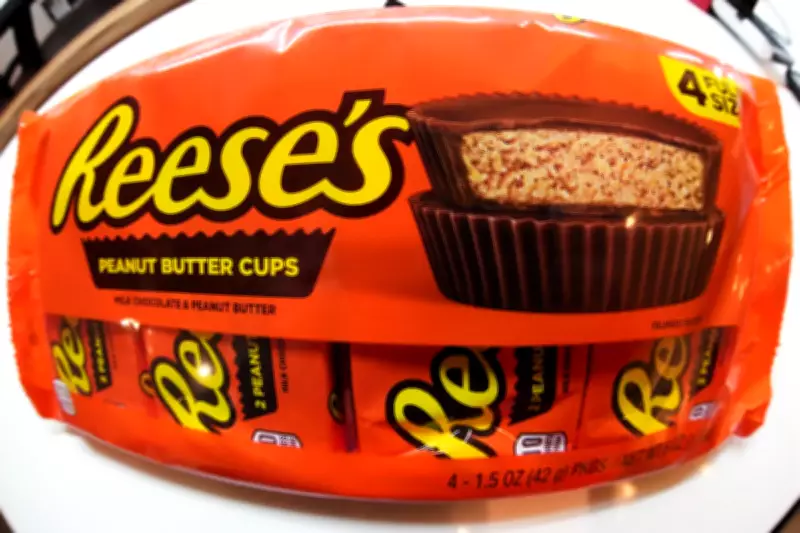
Hershey acknowledged on Wednesday that some recipe adjustments have occurred but defended these changes as necessary to meet evolving consumer demands for innovation. The company emphasised that Reese's Peanut Butter Cups themselves remain unchanged, continuing to be crafted with milk chocolate and peanut butter made in-house from roasted peanuts, sugar, and salt.
"As we've grown and expanded the Reese's product line, we make product recipe adjustments that allow us to make new shapes, sizes and innovations that Reese's fans have come to love and ask for, while always protecting the essence of what makes Reese's unique and special: the perfect combination of chocolate and peanut butter," a company statement explained.
Regulatory and International Context
The controversy touches on strict U.S. Food and Drug Administration regulations governing chocolate labelling. To be classified as milk chocolate, products must contain specific minimum percentages of chocolate liquor, milk solids, and milk fat. Companies can circumvent these requirements by using alternative terminology on packaging, such as "chocolate candy" instead of "milk chocolate."
Brad Reese also pointed out discrepancies in international markets, noting that Reese's Peanut Butter Cups sold in Europe, the United Kingdom, and Ireland are advertised with descriptions like "milk chocolate-flavored coating and peanut butter crème," differing from U.S. versions.
Personal Impact and Broader Concerns
Expressing personal dismay, Brad Reese recounted discarding a bag of Reese's Mini Hearts, a Valentine's Day product labelled as containing "chocolate candy and peanut butter crème." "It was not edible," he told The Associated Press. "You have to understand. I used to eat a Reese's product every day. This is very devastating for me."
He further claimed that many consumers have echoed sentiments that Reese's products no longer taste as they once did, urging Hershey to adhere to founder Milton Hershey's principle: "Give them quality, that's the best advertising."
Financial and Strategic Considerations
Hershey's Chief Financial Officer, Steven Voskuil, addressed formula modifications in a previous investor conference call, assuring that extensive consumer testing precedes any changes to ensure no negative impact on taste or brand perception. He stated, "I would say in all the changes that we've made thus far, there has been no consumer impact whatsoever."
The company has also cited high cocoa prices as a factor driving experimentation with reduced chocolate content across the industry in recent years.
Brad Reese, grandson of H.B. Reese who invented the iconic peanut butter cups in 1928 after a stint at Hershey, concluded by advocating for innovation without sacrificing quality. "I absolutely believe in innovation, but my preference is innovation with quality," he affirmed.