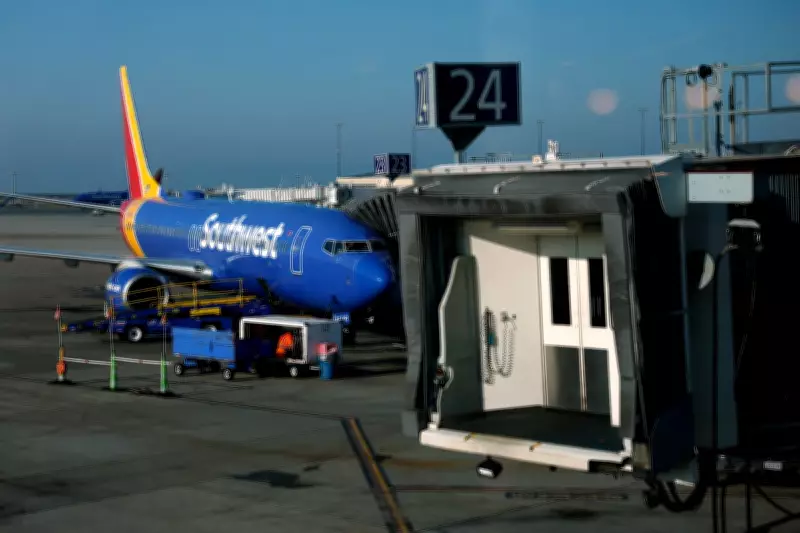
Southwest Airlines Faces Federal Lawsuit Over Alleged 'Abandonment' of Disabled Passenger
A Southwest Airlines passenger with debilitating anxiety and panic disorder has filed a federal lawsuit against the carrier, alleging that an employee tasked with escorting her to a connecting flight instead left her stranded in an airport restroom. The incident, which occurred in February 2024, reportedly triggered an immediate and severe mental health crisis that continues to affect the passenger nearly two years later.
Details of the Alleged Incident at Atlanta Airport
According to legal documents reviewed by The Independent, Mary Lynn Ellison, a 64-year-old resident of Seneca, South Carolina, arrived at Hartsfield–Jackson Atlanta International Airport for a connecting Southwest flight. Ellison, who uses a wheelchair and lives with serious anxiety and panic disorder requiring prescription medication and clinical care, had requested wheelchair assistance when booking her trip. This request was confirmed and printed on her boarding pass.
However, upon inquiry, a Southwest employee allegedly rejected her request for assistance despite the clear indication on her reservation. The complaint states that Ellison returned to the same employee multiple times, but he was described as "rude and dismissive." She was reportedly left standing and then forced to sit on the terminal floor, needing water and access to medication while at immediate risk of a panic episode.

The Critical Restroom Incident and Escalating Distress
After what the lawsuit describes as "a prolonged delay," a courtesy cart arrived to transport Ellison. During the journey to the gate, the driver stopped to allow her to use a restroom. However, after dropping her off, the driver departed, leaving Ellison marooned without assistance. The complaint emphasizes that this "was a particularly severe failure because it placed Ellison in a vulnerable state with no reliable means to return to the gate."
When Ellison realized she had been abandoned, she began to panic and sought help from a nearby Southwest employee. She was reportedly informed that a wheelchair that had been available "was taken," leaving her without the promised assistance. Her distress escalated significantly due to the uncertainty, isolation, and imminent risk of missing her connection.
Lasting Mental Health Consequences and Legal Claims
The lawsuit contends that the episode caused Ellison dire "emotional distress, including panic symptoms and physical manifestations of panic." Since the incident, she has suffered sleep disruption, ongoing hypervigilance, worsening avoidance of air travel consistent with trauma responses, and has required additional clinical care and therapeutic support to address incident-related symptom worsening.
Ellison's complaint argues that Southwest's conduct was "extreme and outrageous, going beyond all possible bounds of decency, including the conscious abandonment of a known disabled passenger mid-connection after repeated requests for help." The airline allegedly attempted to minimize responsibility by claiming Ellison "stayed in the restroom too long" and offered a $150 travel voucher as an apology, which the complaint maintains "did not address her damages and did not constitute a reasonable resolution."
Legal Remedies Sought and Broader Implications
Ellison is seeking an injunction requiring Southwest to implement reasonable policies, training, supervision, and handoff protocols to ensure that requested assistance is prompt, coordinated, and not abandoned during connections. She is also pursuing general, special, consequential, exemplary, and incidental damages for emotional distress, past and future medical expenses, therapeutic costs, and attorneys' fees.
The complaint argues that "monetary damages alone are inadequate to eliminate the risk of future harm" and that Southwest displayed "conscious indifference to Ellison's rights, safety, and welfare by refusing, delaying, mishandling, and abandoning her." Southwest has declined to comment on the allegations, citing pending litigation.

This case highlights ongoing concerns about disability assistance in air travel, particularly in the United States where individual carriers are responsible for providing such support at airports. In 2019, Southwest faced a similar lawsuit from a wheelchair-bound traveler who soiled herself after a gate agent refused bathroom assistance, which was eventually settled out of court.