UK Shoppers Warned Over Spread of Harmful and Illegal Skin Lightening Kits
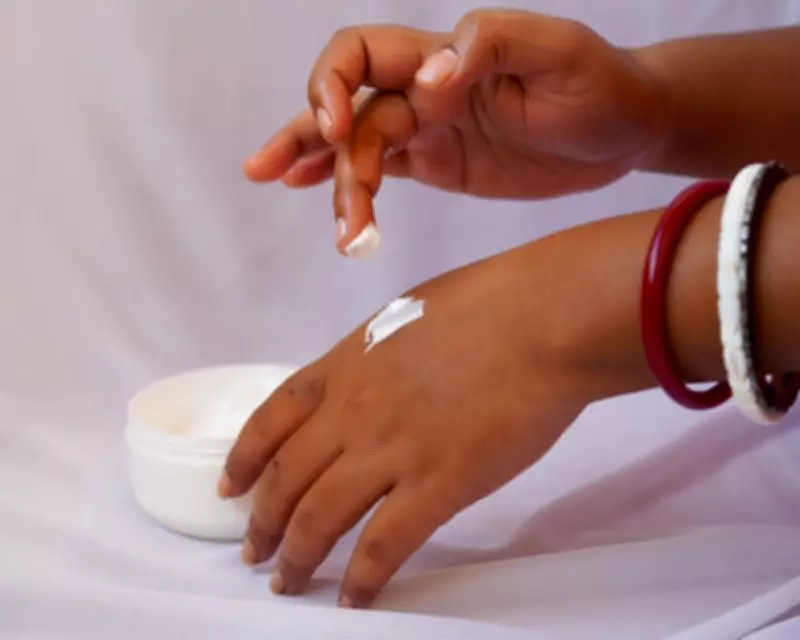
The Chartered Trading Standards Institute (CTSI) has issued a stark warning to UK consumers about the increasing availability of illegal skin lightening products in a variety of retail outlets. These items, often containing banned substances, pose serious and sometimes irreversible health risks, including skin damage, infections, and pregnancy complications.
Widespread Sale in Diverse Outlets
Trading standards officers report that these dangerous products are being sold not only online but also in an expanding range of physical stores. This includes butchers, specialist food shops, and small grocery stores, particularly those serving Asian and Arab communities, as well as other diverse groups targeted by the products.
The CTSI emphasises that many of these kits contain prohibited ingredients such as high levels of hydroquinone, mercury, or potent corticosteroids. Under UK product safety and cosmetics legislation, these substances are strictly banned due to their potential to cause skin thinning, organ damage, and other long-term health issues.

Legal and Social Concerns Raised
Tendy Lindsay, former chair of the CTSI, highlighted the dual dangers of these products. "As a Black woman and a longstanding advocate for equality, diversity and inclusion, I want to be absolutely clear: the sale of illegal skin lightening products is not only dangerous, it is unlawful," she stated. Lindsay stressed that shops, regardless of size, have a legal responsibility to ensure product safety, with lack of awareness being no defence.
She also expressed deep concern about the social pressures driving demand, noting that colourism in some Black and Asian communities fuels vulnerability. "Unscrupulous traders exploit those insecurities for profit," Lindsay added, advocating for consumer safety and protection under the law.
Personal Stories Highlight Risks
The CTSI cited recent media reports to illustrate the personal impact. In a BBC Morning Live segment, a woman named Arlène shared her experiences of colourism and racism from a young age, which led her to use skin lightening products without understanding the risks or their illegality.
Similarly, Daniel from Essex recounted using an unlabelled skin whitening lotion as a teenager to address dark patches from acne, unaware it contained hydroquinone, described by the Local Government Association as "the biological equivalent of paint stripper." His subsequent use of similar products resulted in permanent skin damage.
Enforcement and Education Efforts
In south London, a beauty store was recently fined over £30,000 for selling dangerous skin lightening products, with further cases progressing through the courts. Trading Standards and partner organisations assert that awareness and education are crucial alongside enforcement, especially for groups most at risk.
Consumers are advised to check that cosmetic products sold legally in the UK display ingredients in English and include the name and address of a UK-based manufacturer or importer. Products listing hydroquinone, mercury, or corticosteroids like clobetasol propionate, or those lacking clear UK labelling, should be avoided.
Safety Recommendations
- Never use skin lightening products on children.
- Always consult a doctor or dermatologist before using lotions intended to alter skin tone.
- Avoid purchasing from unverified sellers or social media accounts, where influencers promote products without proper oversight.
- Report suspicious beauty products or any that cause adverse reactions to authorities.
The CTSI warns that the market for such creams is growing on social media platforms, underscoring the need for vigilance among shoppers to protect their health and safety.