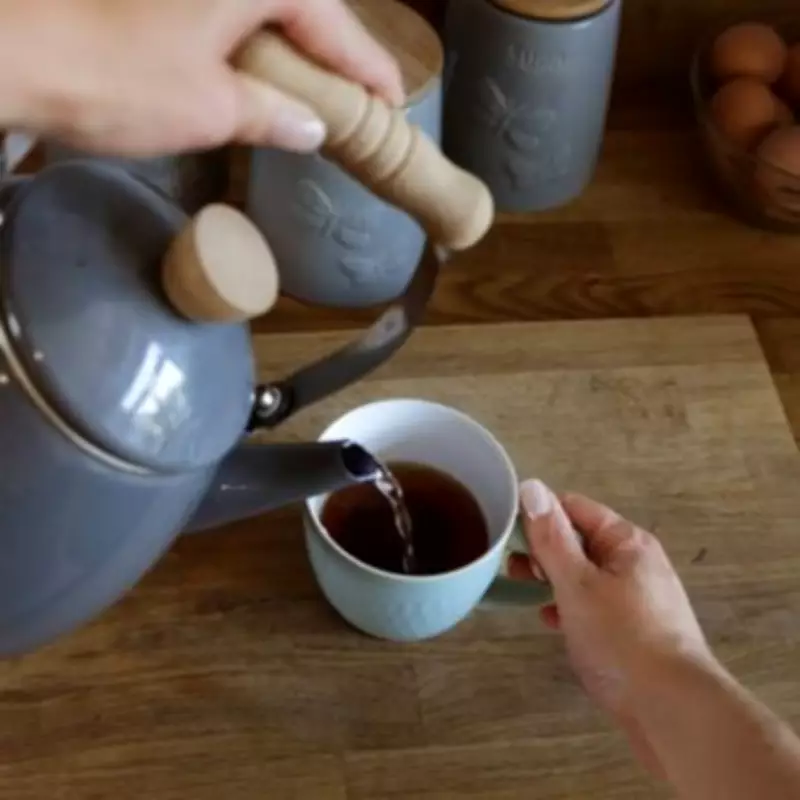
The Real Reason Your Cup of Tea Tastes a Bit 'Off' and How to Fix It
Making a cup of tea is a quintessential British ritual, but when that comforting brew tastes strange or bitter, it can be a daily disappointment. Many assume the problem lies with the teabag or brewing technique, but experts reveal a surprising culprit: your water. This common oversight affects tea lovers across the UK, and understanding it can transform your cuppa from mediocre to magnificent.
Why Tap Water Is the Hidden Villain in Your Tea
According to Andrew Slark, managing director and water treatment specialist at WaterCare, the issue begins the moment you fill your kettle from the tap. "Tap water often contains chlorine and chloramine to keep it safe to drink, along with minerals such as calcium and magnesium," he explains. "This combination can create a bitter or slightly metallic edge that masks the delicate flavours of the tea leaves." For those in hard water areas, high levels of calcium and magnesium add a 'chalky note' that can overwhelm subtle blends, as reported by the Express.
This revelation means that splurging on premium teabags is often futile if the water quality is poor. The dissolved minerals and limescale in tap water persist even after boiling, undermining the tea's natural aroma and taste. Boiling does little to eliminate these elements; in fact, repeated boiling can concentrate minerals as water evaporates, worsening flavour issues.

Simple Solutions for a Better Brew
The good news is that improving your tea's taste doesn't require complex changes. Andrew Slark recommends a straightforward fix: swap tap water for filtered water. Using a filter helps reduce chlorine and limescale, leading to a cleaner, more vibrant cup without altering your preferred tea blend. "Once these elements are reduced, the tea is much clearer, giving a cleaner and more vibrant cup without changing the blend you already enjoy," he adds.
For those dealing with limescale build-up in their kettle, regular cleaning is essential. Kettle specialists at Morphy Richards suggest a natural method using lemon juice:
- Plug in and fill the kettle with water.
- Squeeze the juice of two lemons into a small cup or jug, then pour it into the kettle.
- Bring the mixture to a boil and let it soak for 20 to 30 minutes.
- Unplug the kettle, empty the solution down the sink, and rinse thoroughly with cold water.
- Allow the kettle to dry completely before refilling with fresh water.
This simple maintenance routine can prevent limescale from affecting your tea's flavour over time.
Embracing a Tea Transformation
Tea remains a beloved part of British culture, from traditional English Breakfast to refreshing peppermint varieties. By addressing water quality and kettle cleanliness, you can ensure every cup lives up to its potential. Remember, it's not about expensive teabags but the foundation of your brew—the water itself. With these expert tips, you can enjoy a consistently perfect cuppa that lifts your spirits without any off-notes.