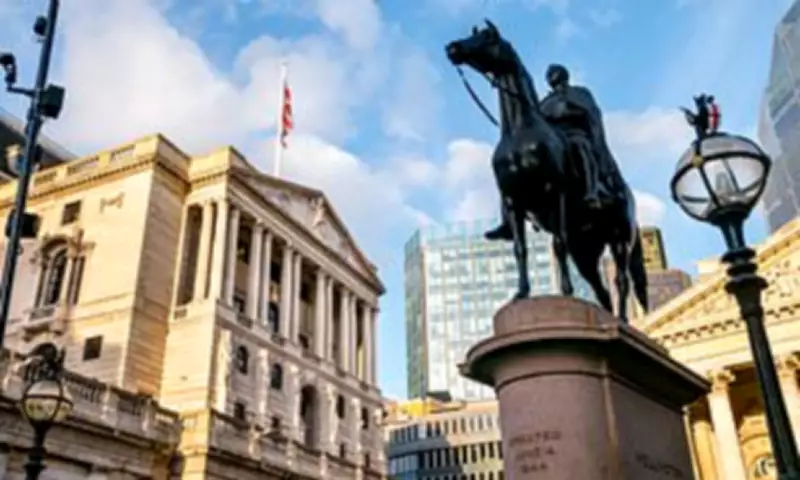
Bank of England employees have been instructed to work from their desks rather than sun loungers, following revelations that they are permitted to work from abroad for up to two months annually. Approximately 6,000 staff members are eligible to perform their duties overseas, while within the UK, they can work from home three days a week.
Outrage Over Remote Work Policy
This policy has ignited controversy, particularly given the Bank's ongoing struggle to maintain inflation at the target rate of 2% and the persistence of high interest rates. Conservative Party chairman Kevin Hollinrake voiced his disapproval, stating that employees should be fulfilling their responsibilities from their desks, not their sun loungers.
“Hard-working families paying rising taxes and struggling to afford a holiday will be angry that public servants are soaking in the sun while on the clock,” Mr Hollinrake said. “Under Labour, public servants are working fewer hours for the same pay.”

Former minister for government efficiency, Sir Jacob Rees-Mogg, also criticised the arrangement, arguing that staff should not be allowed to “swan off abroad.” He emphasised that the Bank of England has failed in its primary task of keeping inflation around 2% and should focus on its core responsibilities rather than permitting employees to work from holiday homes for eight weeks of the year. He questioned whether such staff are truly necessary or if their salaries could be saved.
Bank's Staff Handbook and Restrictions
The Bank’s latest staff handbook states that it is “committed to supporting colleagues working flexibly and allows colleagues to work from abroad for a maximum of 40 working days a year.” However, employees face restrictions on taking devices such as laptops, iPads, and mobile phones into certain countries due to security concerns.
The backlash against the Bank’s flexible working practices is part of a wider scrutiny. In February, it was reported that some NHS GPs were treating patients remotely while based overseas, including in Australia, India, and Malaysia. Last year, it emerged that civil servants had been granted permission to work from abroad more than 2,000 times since 2019.
Inflation and Economic Context
The Bank of England’s first Forecast Evaluation Report, released in February, revealed that its forecasts for inflation and wage growth have “proved repeatedly too low” since 2022. Inflation fell to 2.8% in April, but according to forecaster Capital Economics, it is expected to rise to around 4% later this year as the Iran war pushes up energy costs for households and businesses.
A Bank spokesman defended the policy, stating that it is “designed to support staff who wish to temporarily work outside of the UK. This is subject to time limits and other requisite and reasonable conditions, such as security-related restrictions.”