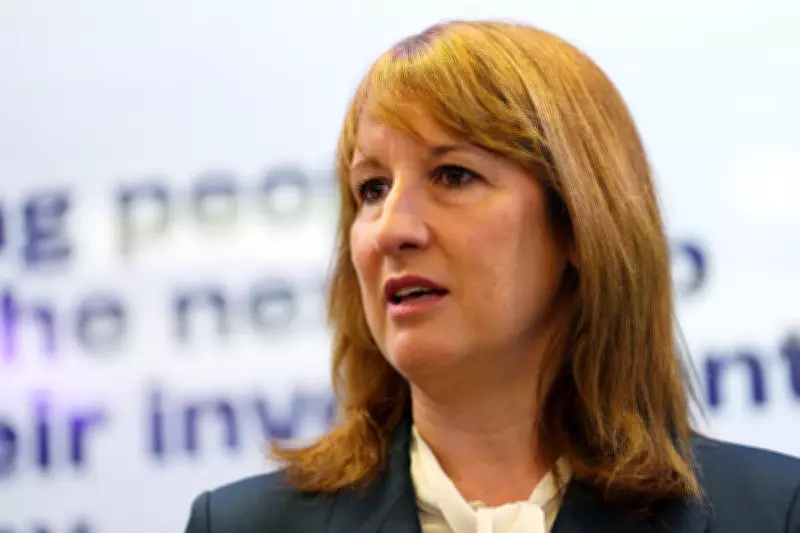
A fresh blow has been dealt to Chancellor Rachel Reeves as UK government borrowing costs surged to their highest level since the global financial crisis of 2008. The yield on 10-year government bonds, a key benchmark for sovereign debt costs, exceeded 5% on City trading screens and remained at 5.1% on Tuesday, defying expectations of a temporary spike.
The interest rate paid on UK government debt serves as a barometer of investor confidence in the broader economy. Higher yields indicate that investors demand greater returns to lend to the government, reflecting heightened perceived risk. Lucy Smith, senior investment manager at Killik & Co, commented: 'Today the 10-year UK gilt yield has risen above 5% for the first time since 2008. This is bad news for Reeves as she attempts to contain government borrowing costs while encouraging growth.'
The chancellor is already grappling with rising inflation, which climbed from 3% to 3.3% in the most recent official figures. Speculation is mounting that the prime minister may consider a cabinet reshuffle, potentially removing Reeves from her post. Retailers are warning of increases in food and fuel prices, further straining low-income households already under financial pressure. Local council elections scheduled for May 4 are expected to result in significant losses for the Labour Party.

The International Monetary Fund recently downgraded its UK growth forecast for this year from 1.3% to 0.8%. Some economists fear that additional tax rises may be necessary. Ms Smith added: 'The Iran war has caused oil prices to spike, with the price of oil remaining above $100 a barrel, up from around $60 in December. The UK is a net importer of oil, so this increase is likely to create a supply-side inflationary shock, worsening the UK’s inflationary outlook. The combination of higher inflation and lower growth presents a significant challenge for the chancellor and may result in further tax rises or reduced spending in the next budget later this year.'
City insiders suggest that political instability within the UK government, particularly surrounding the Peter Mandelson vetting inquiry, may have also contributed to rising yields. Instability tends to make investors less willing to hold government debt. However, some analysts point to opportunities for retail investors, as government debt is considered a safe asset. Bonds can be purchased via major investment platforms and held in tax-free ISAs. Alan Miller at SCM Direct stated: 'Long gilts at 5% plus are the best deal retail savers have had in years. Wrap it in an ISA, and you keep the lot.'
Ms Reeves has been striving to maintain fiscal 'headroom,' ensuring the UK’s finances remain within the guidance she provided to Parliament. Some experts argue she has managed this situation adeptly. Andrew Goodwin at Oxford Economics explained: 'We calculate that if gilt yields and market expectations for bank rate stay where they are now, it would knock about £7.5bn off the chancellor’s £23.6bn headroom at this autumn’s Budget. But this won’t force the chancellor to take corrective action. Indeed, it demonstrates that her decision to increase headroom at the 2025 Budget was a wise one because it has given her the room to absorb this unexpected shock without having to respond with higher taxes.'
The Bank of England’s Monetary Policy Committee is scheduled to meet on Thursday and is expected to maintain interest rates at 3.75%. Prior to the Iran conflict, markets anticipated two or three rate cuts this year, which would have lowered mortgage costs. Critics contend that government policy is equally to blame for the current predicament. Kallum Pickering, chief economist at Peel Hunt, wrote in a note: 'Over the past decade, the UK economy has suffered a succession of policy mistakes and resulting rates of inflation which have consistently exceeded the prevailing trends across other major economies. Unsurprisingly, it no longer takes much to spook UK government debt markets.'