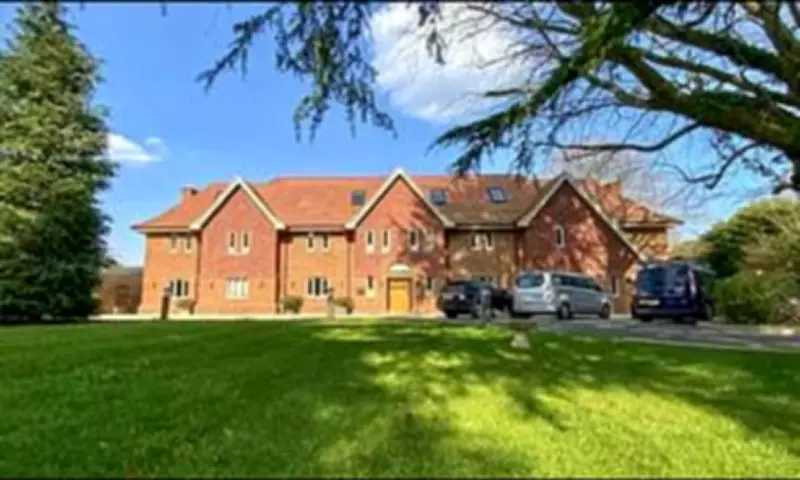
Two companies and a manager have been found guilty in connection with the death of a labourer who was buried alive when a 10-foot trench collapsed on him. Gheorghita Arsene, a 33-year-old Romanian national, died while working on the demolition of a care home in Banstead, Surrey, on June 24, 2020.
Fatal Incident Details
Mr Arsene was replacing a damaged pipe at the bottom of the trench when the walls suddenly caved in. Colleagues desperately tried to dig him out with their bare hands, removing debris from his face. Fire and ambulance crews arrived, but paramedics struggled to revive him due to the weight of the soil. Chest compressions were impossible as he could not be removed from the trench. He was pronounced dead at 2:44 PM, an hour after the collapse.
The excavation was so unsafe that his body could not be recovered until the following morning. Health and safety inspectors later found no supports in the trench, and excavated soil had been piled right next to it, the Old Bailey heard.

Court Proceedings
John McGuinness KC told jurors: "The prosecution case is that George's death was entirely avoidable. It should never have happened." Anthony O'Connor admitted failing to ensure Mr Arsene's safety under Health and Safety regulations after Judge Judy Khan indicated she would not impose a custodial sentence, and the manslaughter charge was dropped.
Site manager Peter Wraith, 54, was cleared by a jury of gross negligence manslaughter, and assistant Greg Peake, 51, was also cleared of breaching health and safety regulations. The jury could not reach a verdict on O'Connor, 42, who denied manslaughter by gross negligence, after over three days of deliberations.
Both Wraith and O'Connor's companies—specialist care home builder Appledorn and subcontractor T Vaughan Limited (TVL)—were convicted of failing to ensure Mr Arsene's safety by unanimous verdicts.
Unsafe Working Conditions
The court heard the trench was so narrow that only one man could dig at a time. Mr Arsene was taking turns with another employee, Daniel Plitan. Mr McGuinness said: "At the time of the accident, George was working at the bottom of the trench with a shovel and a pickaxe... when, without warning, one or more of the sides of the trench collapsed."
Victor Lungu, operating a digger, saw the trench start to collapse and shouted to George, who looked up. "George reacted, but was only able to take one or two steps to try to get out of the trench before the soil fell and almost completely covered him," Mr McGuinness added. Lungu rushed down but got no response, then ran for help. Desperate attempts were made, but more debris continued to fall.
The prosecutor noted that the ground around the trench was boggy and unstable. In a damning assessment, he said it was "barely believable that absolutely nothing was done" to secure the trench wall. "It is astonishing there was no risk assessment and no method statement for the deep trench excavation work," he added. "Neither Appledorn nor TVL gave any thought in advance to the safety of two men working in the bottom of a trench, the sides of which were liable to collapse at any moment—and eventually did."
Verdicts and Sentencing
Following a trial at the Old Bailey lasting over three months, principal contractor Appledorn Developments Limited and TVL were found guilty of a health and safety charge of failing to discharge their duties. Contracts manager Anthony O'Connor, 42, of Romford, Essex, pleaded guilty to failing to discharge his duty under the Health and Safety Act 1974, which was accepted by the prosecution.
Site manager Peter Wraith, 54, from New Waltham in Lincolnshire, was cleared of manslaughter. Assistant site manager Gregory Peake, 51, from Bromley in south east London, was acquitted of failing to discharge his health and safety duty. O'Connor, TVL, and Appledorn will be sentenced on September 7.