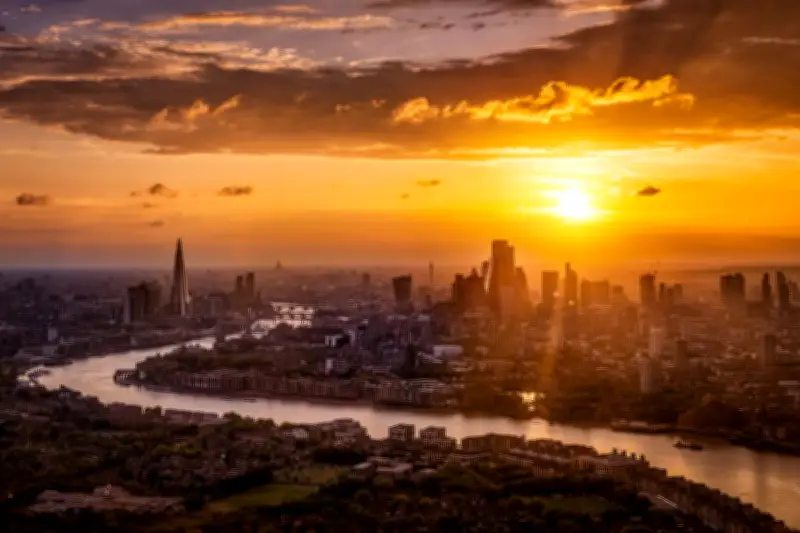
As temperatures cool to more normal summer days, economists are counting up the £440 million cost of preparing London for a future of heatwaves. The extreme heat and humidity cut workers' productivity by reducing mental and physical performance, according to Oxford Economics analysis. It said the latest heatwave would cut the UK's labour productivity growth by 1.5 per cent, with the most-struck sectors including construction, agriculture, manufacturing, retail and hospitality.
As the UK recorded its hottest June day on record this year, thermometers hit 37.7C — well above 34C, the temperature at which workers can lose 50 per cent of their work capacity, according to the International Labour Organization.
Workers' Rights and Heat Strikes
Workers' rights campaigners said that more than 1,000 people had signed up to take part in a "heat strike" as employees struggled to cope in the heatwaves, backed by groups including the Bakers, Food and Allied Workers Union and the Trades Union Congress. Unite, which represents tens of thousands of construction workers, is calling for a maximum working temperature of 27C for sweaty manual jobs such as building work. Bricklayers downed tools, bakers including branches of Greggs shut shops, and in the City, even corporations with strict return-to-office mandates temporarily dropped them to allow working from home. JP Morgan, ING, Deutsche Bank, Nomura plus insurers M&G and Hiscox all allowed empty office desks last month.

Hospitality Sector Feels the Heat
Those empty offices are hurting the already-struggling hospitality sector. Londoners fleeing the sweltering capital — with the heatwave particularly triggering a weekend exodus — has left pubs and restaurants out in the cold, according to detailed analysis from restaurant data platform Tenzo. Its comparison of sales data during five recent heatwaves, set against the cooler calendar weeks a year earlier, found that the capital's hospitality sector faces a fragmented reality that's hard to plan for when the mercury rises.
The average restaurant and bar sees venue revenues contract by around 4 per cent during a heatwave against preceding weeks, the analysis shows. Sweltering conditions on the Tube deter commuters and stifle city-centre lunchtime trade, but "outdoor, riverside and park-adjacent venues" consistently outperform the indoor majority, Tenzo reports.
It's a tale of two cities: beer gardens, riverside terraces and park-side spots enjoy an average 2.8 per cent bump from prolonged hot sunshine, while the average indoor venue is left sweating over a hit to its bottom line, and more than a third see their takings crash by over 10 per cent.
Business Leaders Speak Out
Healthy fast food chain Leon Restaurants saw sales at its eight branches around London fall 20 per cent during the recent super-hot spell — but founder John Vincent claims the dip in takings at the till wasn't solely down to the weather. "It's not the heatwave that is hurting London, it is the UK's increasingly nanny state response to anything out of the ordinary," says Vincent. "At the station last Wednesday [24th June], the announcement told me not to travel unless absolutely necessary. Says who?" he asks. "Tube strikes, National Insurance, business rates, the clampdown on the night-time economy, the cold, the heat… don't be surprised when there isn't any commerce left in London."
"In a fixed cost business like restaurants, the [heatwaves] are a disaster." Leon launched a new menu last month, with a new chicken and chorizo wrap debuting on a day when temperatures hit 34 degrees. "We thought 'Ibiza poolside snack' — but the launch was impacted by people not being in London."
Mixed Impact Across Sectors
The damage wasn't felt across the board. Pubs enjoyed a higher sales surge for England's match against Ghana, when evening temperatures stood at 31 degrees and sales in bars and clubs were up 315 per cent compared with a non-matchday in the first week of June, while revenue rose by 194 per cent on the previous week's Croatia match. Payments firm Adyen, which compiled the figures, said that hospitality performed better for the England-Ghana match thanks "to the weather drawing more drinkers and fans outside".

Cold drinks and ice creams cashed in too: canned fruity water brand Dash said its supermarket sales increased 47 per cent week-on-week, while it sold 69 per cent more cans on Amazon during the heatwave. Bakery Okja, which recently opened on Liverpool Street, said few were buying its speciality swirls and pastries — but iced latte and its icy smoothies had seen a 30 per cent rise in demand to compensate. "Footfall is up in terms of people coming in and ordering a drink, but no one is staying — it is in and out," the bakery said. "It's a complete takeaway culture, with no lingering."
Long-Term Adaptation Costs
The question isn't whether heatwaves will keep coming, but when — and what London intends to do about it. With experts warning this heatwave will be the latest of many — increasing in frequency — businesses need to adapt to soaring temperatures. Climate X, a climate risk analytics company backed by Google Ventures and Salesforce, modelled the capital's buildings' exposure to extreme heat and found that upgrading London's cooling infrastructure would cost an estimated £440m in air conditioning installation alone. That figure represents 96 per cent of the city's total near-term climate adaptation bill. Its research identified heat as London's single biggest climate-related economic threat, with losses from reduced worker productivity in overheated buildings projected to hit £203.4 million a year by 2030, outstripping the combined financial impact of flooding and wind damage. Financial services, tech and real estate are the most exposed sectors, due to their concentration in the urban core.
London lags behind international rivals. In the US, around 90 per cent of buildings have air conditioning; across Europe the figure is just 19 per cent. That gap translates into lost productivity every time the mercury climbs.