The rapidly escalating conflict in Iran has cast a significant shadow over the United Kingdom's economic outlook, creating substantial uncertainty just as Treasury chief Rachel Reeves prepares to deliver her crucial Spring Statement to Parliament. With global oil prices surging dramatically and financial markets experiencing severe turbulence, the geopolitical crisis threatens to undermine the relatively positive economic forecasts that were anticipated.
Geopolitical Turmoil Disrupts Economic Planning
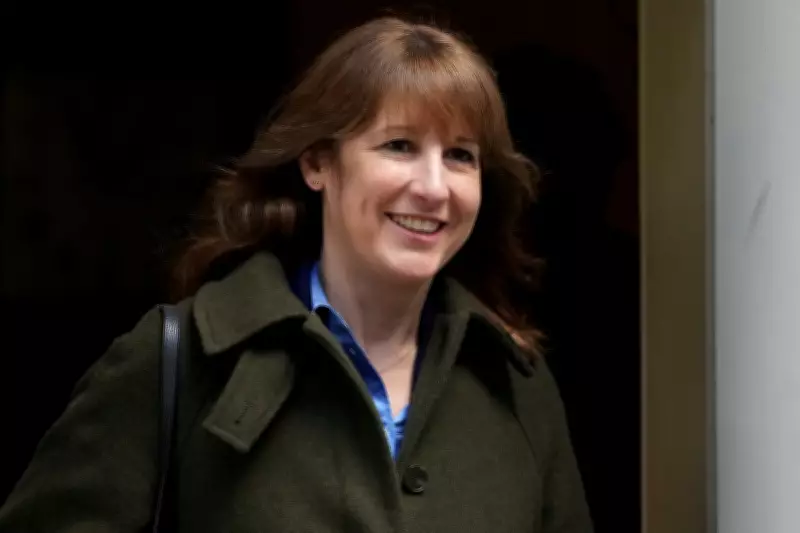
Rachel Reeves, the Chancellor of the Exchequer, had originally intended for her Spring Statement to be a measured presentation of economic progress, highlighting key indicators moving in a favourable direction. However, the outbreak and intensification of hostilities in Iran have fundamentally altered this landscape. Economists across the financial sector are now warning that the conflict could completely derail the Treasury's projections, potentially depressing economic growth, reigniting inflationary pressures, and increasing public debt burdens.
Oil Price Spike and Market Volatility
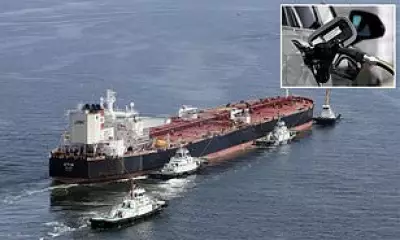
Perhaps the most immediate and tangible impact has been on global energy markets. The price of Brent crude oil, the international benchmark, has skyrocketed by more than fifteen percent this week alone, breaching the eighty-dollar-per-barrel threshold. Analysts caution that if these elevated prices persist, British households and businesses will face substantially higher energy bills. This would inevitably feed through into broader inflation metrics, while simultaneously constraining economic growth by reducing consumer spending power and business investment.

"With the world plunged into fresh uncertainty, she is likely to strike a highly cautious tone, focusing on maintaining stability and sticking to fiscal rules amid heightened tensions," observed Susannah Streeter, chief investment strategist at Wealth Club. This sentiment reflects the prevailing mood in financial circles, where stability is now the paramount concern.
Treasury's Response and Political Context
In advance of her parliamentary address, the Treasury has indicated that Reeves will emphasise the critical importance of economic stability in an increasingly volatile global environment. She is expected to reference the government's existing economic strategy, pointing to recent declines in inflation and reductions in interest rates by the Bank of England as evidence that cost-of-living pressures on families are beginning to ease.
"This government has the right economic plan for our country, in a world that has become yet more uncertain," Reeves is anticipated to tell lawmakers, framing the statement within the context of global instability.
Broader Economic and Political Challenges
The statement arrives at a politically sensitive moment for the Labour government, which has seen its public support decline significantly since its general election victory in 2024. Ministers had hoped that 2026 would demonstrate that the British economy was finally on a sounder and more sustainable footing after years of turbulence. Some recent economic data had indeed suggested a modest pickup in growth during the early months of the year, and inflation was projected to fall sharply in the coming months, potentially allowing for further interest rate cuts. The Bank of England held its main interest rate steady at three point seven five percent last month, but the new geopolitical shock complicates this trajectory.
The Iran conflict, therefore, represents a severe external shock that threatens to overshadow domestic economic management. The Spring Statement, once envisioned as a platform for showcasing recovery, must now navigate the treacherous waters of war-driven market panic, energy insecurity, and renewed inflationary threats, setting a cautious and defensive tone for the UK's economic policy in the months ahead.