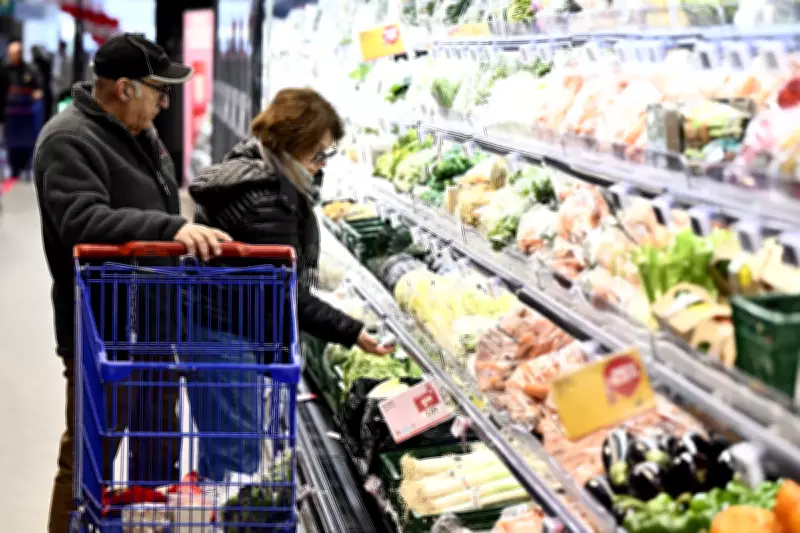
The ongoing war in Iran is placing severe strain on global food supply chains, with experts warning that British supermarkets may soon face shortages and higher prices for a range of everyday items. The closure of the Strait of Hormuz has trapped a significant portion of the world's fuel and fertiliser supplies in the Gulf, leading to surging costs for food transport and farming.
Government Acknowledges Impact
Prime Minister Sir Keir Starmer has acknowledged that consumers may need to alter their shopping habits as a result. His chief secretary, Darren Jones, stated that the UK could face elevated prices for goods, including food, for at least eight months following the conclusion of the Iran war.
Expert Warnings on Food Inflation
Professor Chris Elliott, an expert in food supply chains, expressed serious concern about the downstream effects of the Strait of Hormuz closure. He noted that food inflation could reach up to 10% by the end of the year, a frightening prospect for many consumers.

Fresh Produce Most Affected
Fruit and vegetables are likely to suffer some of the most significant and long-lasting impacts. Items such as potatoes, cucumbers, tomatoes, peppers, grapes, and strawberries are among those facing shortages or price rises. The closure has driven up costs for fertiliser and fuel, essential for British farmers.
Dr Derek Watson, Associate Professor in Cultural Management at the University of Sunderland, explained that reduced crop yields will eventually lead to delivery shortfalls. Professor Elliott added that some farmers have chosen not to plant crops this year due to uncertainty about recouping costs. He warned that the consequences will manifest in six to twelve months as further shortages and price increases, all stemming from fertiliser issues.
Greenhouse-grown produce, such as lettuce and tomatoes, which require substantial electricity and gas, will also be heavily impacted by rising energy prices.
Meat and Dairy Products at Risk
Meat products, including chicken and pork, as well as dairy items, may also face undersupplies or price hikes. Carbon dioxide shortages pose a particular threat, as CO2 is used in packaging to extend shelf life, for slaughtering animals, and in cooling systems. A leaked government document, reported by The Times, warned that CO2 supplies could drop to just 18% of current levels.
Professor Elliott highlighted that refrigeration costs will significantly impact meat and dairy, with higher expenses for running refrigerators and refrigerated transport. The National Farmers' Union estimates that milk prices could increase within the next three to six months.
Panic Buying and Toilet Paper Shortages
Fears of shortages and rising prices may trigger a return to panic buying, reminiscent of the Covid-19 pandemic. Dr Watson warned that consumers might start bulk purchasing items like toilet rolls, bread, chicken, pork, and drinks such as gin and tonic. This behaviour could exacerbate supply issues for products like toilet paper, even if they are not directly affected by the crisis.