Globalisation Under Siege: Iran's Economic Warfare Exposes UK's Unique Vulnerabilities
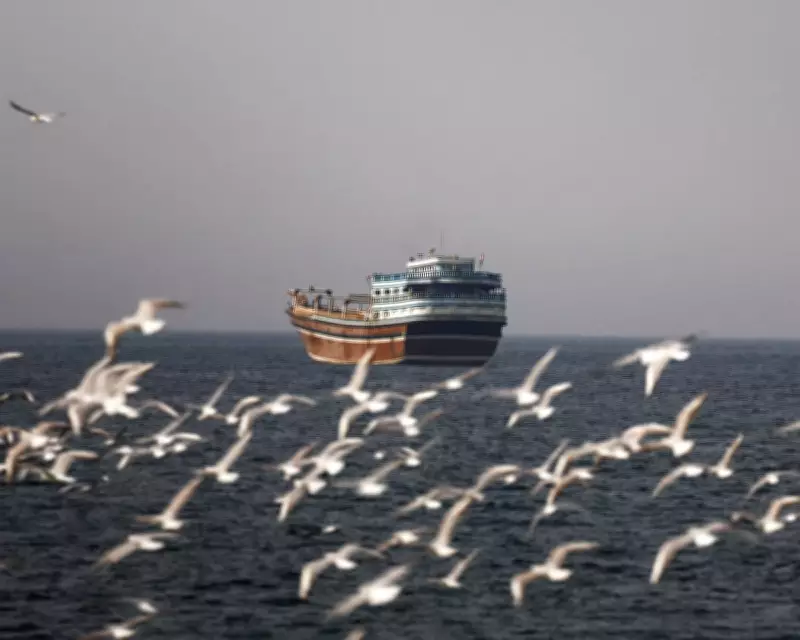
In the Strait of Hormuz, a boat off Musandam, Oman, on 2 March 2026 symbolises the fragile arteries of global trade now under threat. As Iran launches all-out economic warfare in retaliation for US-Israeli missile attacks, the world braces for a third major price surge since the pandemic, with Britain standing as one of the most vulnerable developed nations.
The Choke Points of Global Trade
The tightly woven global economy relies on narrow maritime passages that have become points of immense stress. Key channels include the 40-mile-wide Malacca Strait, handling 80% of China's oil imports; the Panama Canal, just 91 metres at its narrowest; the Bab el-Mandeb Strait between Yemen and Eritrea, used by 40% of Asia-Europe trade; and the Strait of Hormuz, a route for one-fifth of global oil. Blockages in these areas, whether accidental or intentional, trigger widespread disruption.
In 2024, drought restrictions at the Panama Canal and Houthi blockades at Bab el-Mandeb contributed 0.6 percentage points to global inflation, showcasing how climate crises amplify asymmetric warfare. Today, both Bab el-Mandeb and Hormuz are effectively blockaded, compounded by insurers cancelling war-risk cover across the Persian Gulf, shutting the straits to shipping. Washington's pledges of alternative insurance and naval escorts may take weeks to organise, leaving global markets in limbo.

Britain's Dual Dependency Crisis
Few countries are as exposed to these pressures as Britain. Political economist Helen Thompson highlights how decades of embracing globalisation—unleashing the City of London while deindustrialising northern England, Scotland, and Wales—have left the UK uniquely vulnerable. Britain imports far more than it exports, relying on global financing and material resources to maintain living standards.
This external dependency has two critical aspects. First, financial reliance: since the 2008 crisis, Britain has borrowed heavily, selling assets to cover trade imbalances. Former Bank of England governor Mark Carney termed this dependence on the "kindness of strangers," with UK debts reaching 550% of GDP, the highest in the G7. A loss of foreign confidence could trigger capital flight, a plummeting pound, and soaring interest rates.
Second, and more intractable, is material dependency. Britain imports 50% of its natural gas, making it susceptible to price spikes, as seen during Russia's invasion of Ukraine. Food imports account for 40% of consumption, rising steadily, with Bank of England rate-setter Swati Dhingra estimating true dependency at 80% when factoring in fertiliser and energy for agriculture. Defra's national security report warns of severe vulnerabilities to climate breakdown and biodiversity loss.
Immediate Impacts and Long-Term Solutions
We are now in the early stages of a Ukraine-style shock. European gas prices have risen 40% recently, with UK spot prices nearly doubling due to tighter markets. Households are temporarily shielded by the energy price cap, but Ofgem's July adjustment could bring dramatic hikes. Meanwhile, 15% of global grain trade passes through Bab el-Mandeb, and fertiliser prices are set to rise with fossil fuels, threatening UK food costs.
Addressing these issues requires time and investment. Reducing dependency on imported oil and gas argues for a rapid transition to renewables, as emphasised by Energy Secretary Ed Miliband. Food system reforms could include cutting artificial fertiliser use, adopting drones and vertical farming, and promoting home gardening. Climate change, while disruptive, may offer short-term benefits, such as rice cultivation in Cambridgeshire or olive production in Essex, and new Arctic trade routes could revitalise northern towns.
However, financing such shifts is challenging amid rising inflation and borrowing costs. A "big push" necessitates redistribution through wealth taxes, curbing profiteering, and breaking taboos on price regulations. Energy price surges should be met with controls that protect households and tax super-profits, while food price spikes may demand government intervention.

The link between rural East Anglia and urban Hackney reveals a shared vulnerability: environmental crises in the countryside intertwine with food-price issues in cities, both exposed to geopolitical shocks. The politics that unite these challenges will shape Britain's future resilience in a fragmenting world.