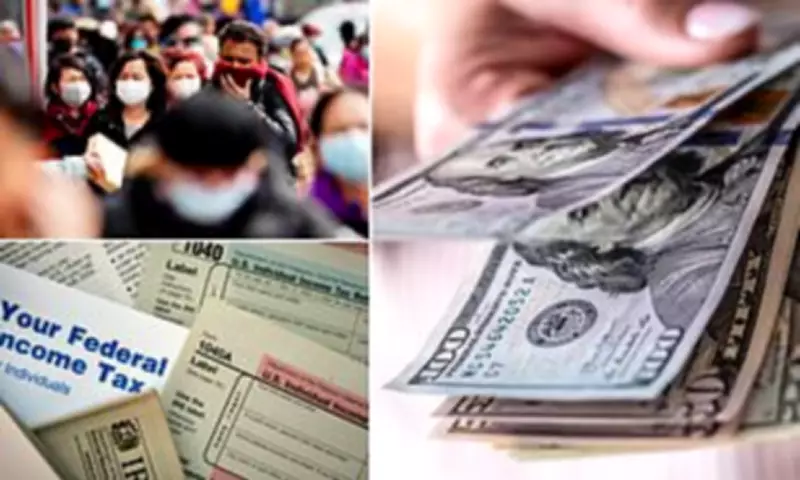
IRS Covid Refund Deadline Looms for Millions of Taxpayers
Millions of American taxpayers may be eligible for significant refunds from the IRS related to Covid-19 penalties and interest, but a critical deadline is fast approaching. According to a landmark court ruling in November 2025, individuals and businesses could reclaim funds from tax years 2019 through 2023, potentially amounting to billions of dollars in total refunds.
How the Refund Process Works
The ruling, known as Kwong v. United States, clarified that tax deadlines were suspended from January 20, 2020, through July 10, 2023, due to the pandemic being declared an official federal disaster. This suspension applies broadly to federal tax deadlines, meaning many taxpayers who were charged penalties or interest during this period might have been wrongly assessed. Eligible penalties include failure-to-file and failure-to-pay charges, which are triggered when tax returns or payments are late.
To claim a refund, taxpayers must file a claim before July 10, 2026. Failure to do so will result in forfeiting any potential refund or reduction in penalties. Jessica Marine, a partner at Frost Law, emphasized the scale of this opportunity, stating, 'There's the possibility this could mean billions of dollars in refunds across a spectrum of businesses and individuals.'

Expert Insights and Potential Outcomes
Tax professionals note that the ruling could lead to sizable refunds, particularly for those audited or who paid large tax bills during the pandemic. Ivan H. Golden, a partner at Taft Stettinius & Hollister, highlighted that refunds might not only cover direct payments but also extend deadlines for filing refund claims and litigation due to statute of limitation changes.
Despite the IRS having the option to appeal the ruling, recent developments suggest the agency might comply. Marine pointed out, 'Most tax professionals had assumed the government would appeal, but just last week Frost Law won a case where the IRS agreed to waive interest and penalties for the period covered by Kwong.' This has increased interest in the case as the April 15 filing deadline approaches.
Urgent Call to Action and Resources
With the July 2026 deadline drawing nearer, taxpayers are urged to assess their eligibility promptly. The Kwong decision initially received little attention but is now gaining traction as more people realize its implications. Online services like E-file.com offer streamlined filing options, with promotions such as a 20 percent discount on federal tax software using code SAVE28, though this applies only to federal software and cannot be combined with other offers.
In summary, this ruling represents a significant financial opportunity for many Americans affected by pandemic-era tax issues. However, time is of the essence, and proactive steps are necessary to secure potential refunds before the window closes.