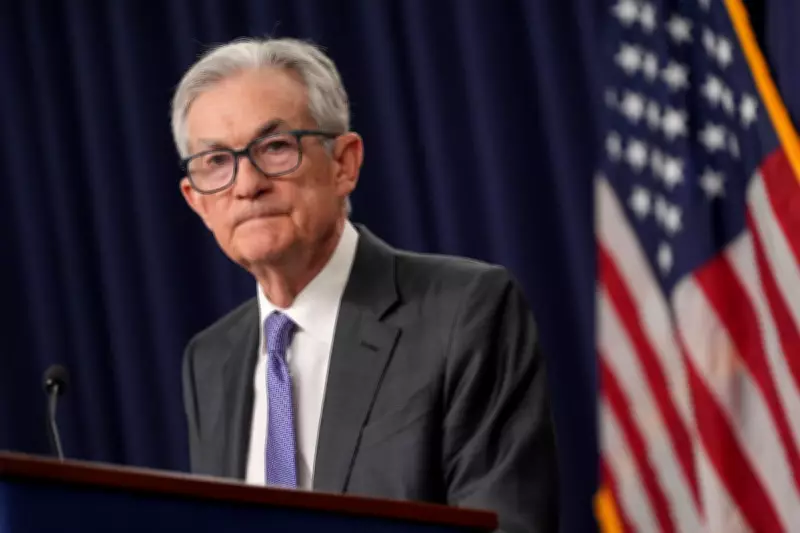
Judge Halts Justice Department Subpoena of Fed Chair Jerome Powell
A federal judge has issued a significant ruling blocking the Justice Department from serving subpoenas to Federal Reserve Chair Jerome Powell. The investigation, purportedly focused on the management of the central bank's renovation projects, was deemed by the court to be a thinly veiled attempt to undermine Fed independence.
Investigation Labelled a "Pretext" for Political Pressure
Chief Judge James Boasberg of the DC District Court delivered a scathing assessment on Friday, stating that a "mountain of evidence" suggests the inquiry was orchestrated to pressure Powell into lowering interest rates or resigning. The judge noted the government provided "essentially zero evidence" of criminal activity by Powell, describing the justifications as "thin and unsubstantiated."
Powell himself had disclosed the surprise investigation on January 11, characterizing it as a direct threat to Federal Reserve independence and part of broader attempts by the Trump administration to influence monetary policy. The Fed chair has consistently denied allegations of wrongdoing regarding renovations at the Washington DC headquarters that exceeded budget.

Political Backlash and Nomination Complications
The ruling has immediate political ramifications. Republican Senator Tom Tillis announced that any appeal by the Trump administration would only delay the confirmation of Kevin Warsh as the next Fed chair. Tillis is among a small group of Republicans who have voiced opposition to the Justice Department's investigation, vowing to vote against Trump's nomination of Warsh until Powell's situation is fully resolved.
Donald Trump's relationship with Powell has grown increasingly hostile since appointing him as Fed chair in 2018. Over the past year, the former president has publicly criticized Powell as "stupid" and "too slow" for not reducing interest rates more aggressively, despite market volatility following such attacks.
Broader Implications for Federal Reserve Independence
This legal battle occurs against a backdrop of significant uncertainty about Powell's future. While his term as chair concludes in May, he has not announced whether he will remain on the Federal Open Market Committee, the Fed board responsible for setting interest rates. Though traditionally Fed chairs depart the board completely after their term ends, Powell's board seat technically extends until January 2028.
Meanwhile, the Supreme Court is still considering a separate case involving Fed Governor Lisa Cook, who sued after Trump attempted to fire her last summer. During January hearings, justices appeared skeptical of granting the president extensive power over the Fed given its critical economic influence. Trump alleged Cook committed mortgage fraud by listing multiple properties as primary residences, accusations she has denied while noting similar discrepancies by other officials including Treasury Secretary Scott Bessent.
The Supreme Court's ruling on Cook's case is anticipated by June, potentially setting important precedents regarding presidential authority over independent financial institutions. These legal challenges collectively represent a significant test of the Federal Reserve's operational independence during a period of political pressure.