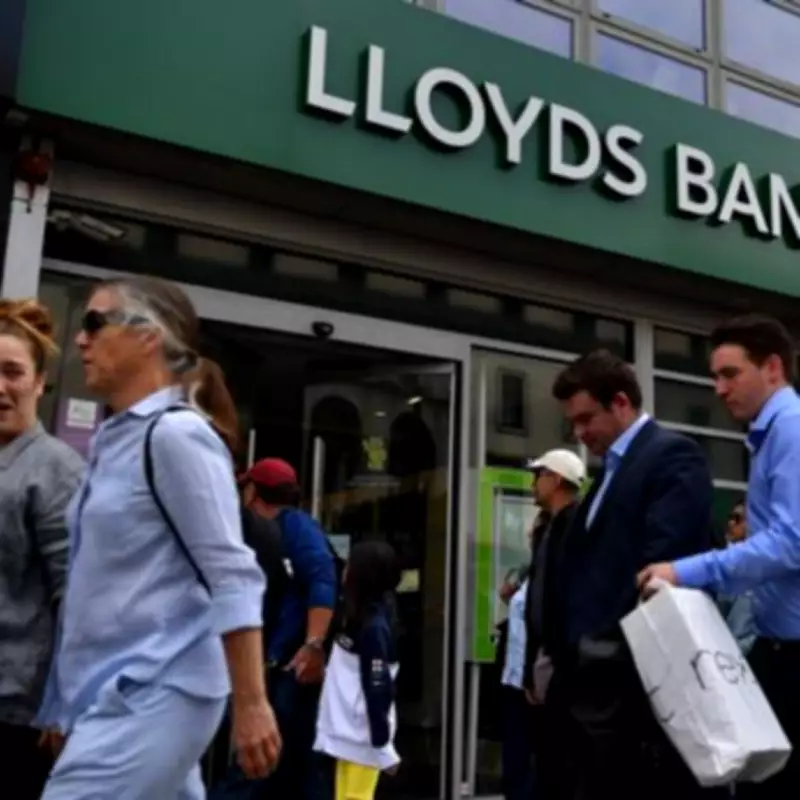
Lloyds Banking Group has reported a 33% surge in quarterly profits to £2 billion, making it the latest major beneficiary of the Iran war as higher interest rates boost bank margins. The UK's largest mortgage lender posted pre-tax profit of £2 billion for January to March 2026, up from £1.52 billion a year earlier, driven by a widening gap between lending and savings rates.
Windfall Tax Speculation Grows
The bumper profits have reignited calls for a windfall tax on banks, with critics accusing lenders of profiting from the crisis without lifting a finger. Sara Hall, co-executive director of Positive Money, said: "There are clear winners and losers from the Bank of England’s decision to keep rates higher for longer. As households are squeezed by higher mortgage and borrowing costs, the banks are lying in wait to scoop up all the extra interest, making record profits in the process." She urged the government to cap energy costs and rents and impose a windfall tax on bank profits.
Mortgage Costs Rise
Since the Iran war began in late February, lenders have hiked the cost of a new two-year fixed-rate mortgage by around one percentage point, adding £1,700 a year in repayments on a typical £250,000 loan, according to Moneyfacts. Banks argue this reflects rising swap rates, the cost of committing funds for a fixed period. The Bank of England is expected to hold its base rate at 3.75% on Thursday, but may be forced to hike due to inflation from the energy shock.

Industry-Wide Profit Surge
Lloyds' results follow Barclays' announcement of £2.8 billion quarterly profits and UBS reporting an 80% profit surge to £2.2 billion, fuelled by stock market volatility. Oil giants have also benefited, with BP's profits more than doubling to £2.4 billion and TotalEnergies reaching £4 billion. Simon Francis of End Fuel Poverty said: "Another good day for the energy industry means another kick in the teeth for consumers."
Defence of Profits
Lloyds finance boss William Chalmers defended the results, stating: "Profitability of banks is an incredibly important component of a successful economy." CEO Charlie Nunn said the bank remains focused on supporting households and businesses. Nunn's pay rose from £6.2 million to £7.4 million last year, potentially reaching £13.9 million this year. Lloyds' net interest margin increased from 3.03% to 3.17% year-on-year.
Economic Impact
Lloyds set aside £151 million for potential Iran war impacts on its £486 billion loan book. It cut its UK growth forecast from over 1% to 0.5% this year, expects unemployment to rise to 5.6%, and inflation to increase from 3.3% to 3.9%. Despite a 34% share price rise over the past year, Lloyds' stock remains below pre-war levels.