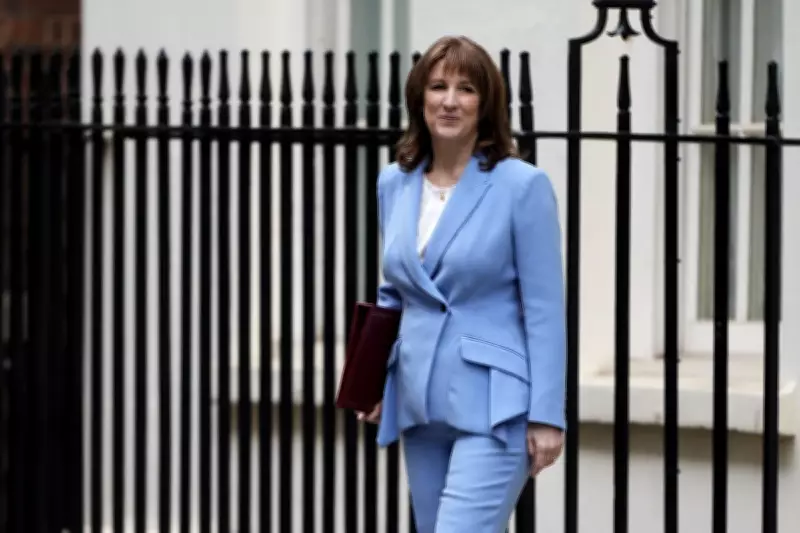
Chancellor of the Exchequer Rachel Reeves has asserted that she possesses the 'right economic plan' for the United Kingdom, even as the independent budget watchdog significantly reduced its growth projection for the current year. The spring statement for 2026, delivered amidst a backdrop of fiscal scrutiny, revealed a series of updated economic forecasts from the Office for Budget Responsibility that paint a mixed picture for the nation's financial future.
GDP Growth Forecasts Revised Downward
The UK economy is now anticipated to expand by a modest 1.1% in 2026, a notable reduction from the previous forecast of 1.4% issued by the OBR in November of last year. However, subsequent years offer a slightly more optimistic outlook, with growth expected to accelerate to 1.6% in 2027, up from an earlier estimate of 1.5%. The forecast for 2028 remains at 1.6%, also an improvement from the prior 1.5%, while projections for 2029 and 2030 hold steady at 1.5%, unchanged from previous assessments.
Inflation and Unemployment Projections
Inflation, as measured by the Consumer Prices Index, is predicted to be 2.3% in 2026, slightly lower than the OBR's earlier forecast of 2.5%. It is then set to stabilise at the Bank of England's target of 2.0% from 2027 through 2030, aligning with previous expectations. Conversely, the unemployment rate is forecast to rise to 5.3% this year, up from a previous estimate of 4.9%. Although it is expected to decline gradually to 4.9% in 2027, 4.4% in 2028, 4.2% in 2029, and 4.1% in 2030, these figures remain higher than earlier projections for most years.

Government Borrowing and Debt Levels
Public sector net borrowing is projected to be £132.7 billion for the 2025/26 fiscal year, below the OBR's previous forecast of £138.3 billion. This represents 4.3% of GDP, down from an earlier estimate of 4.5%. Borrowing is then forecast to increase to £115.5 billion in 2026/27, exceeding the prior projection of £112.1 billion, before gradually falling to £59.0 billion by 2030/31. As a percentage of GDP, borrowing is expected to decline steadily over the coming years.
Government debt as a proportion of GDP is forecast to be 94.3% in 2025/26, lower than the previous estimate of 95.0%. It is projected to peak at 96.3% in 2028/29 before decreasing to 95.1% by 2030/31, which is a full percentage point lower than earlier forecasts for that year.
Welfare Spending Reaches Record Highs
Total government expenditure on welfare is set to continue at unprecedented levels, with spending forecast at £332.9 billion in 2025/26, marginally below the previous estimate of £333.0 billion. It is then anticipated to rise annually, reaching an all-time high of £406.9 billion by 2030/31, slightly above the earlier forecast of £406.2 billion.
Despite the OBR's downward revision of growth for 2026, Chancellor Reeves remains steadfast in her defence of the government's economic strategy, emphasising long-term stability and gradual improvement in key fiscal indicators over the coming years.