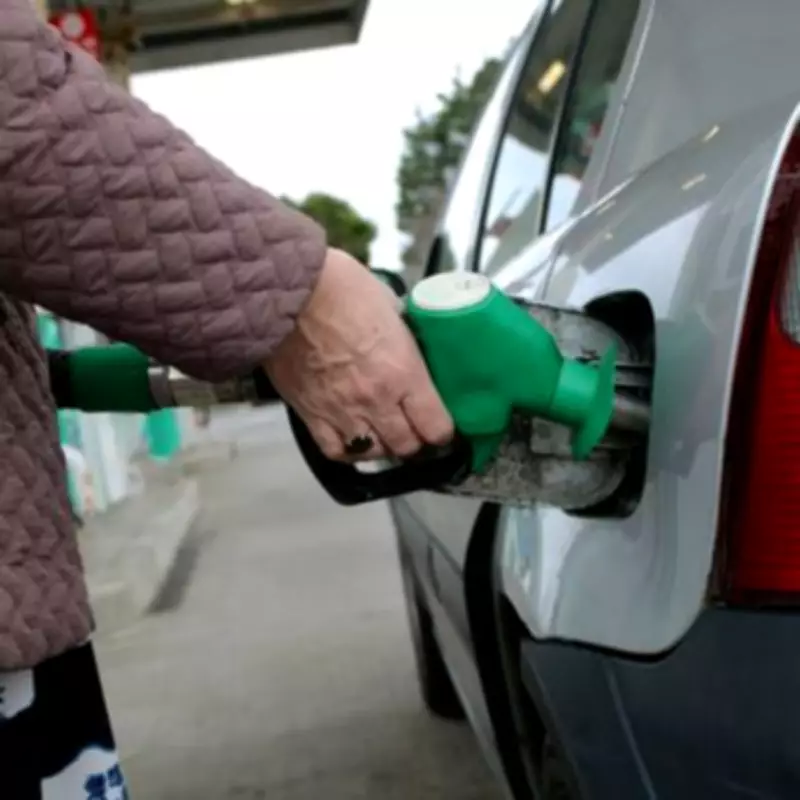
Petrol prices have risen to a new high amid the Iran war, with the RAC warning of further increases to come. The average price of unleaded petrol now stands at 158.52p per litre, surpassing the previous peak of 158.31p per litre recorded on April 15.
Recent Price Trends
After falling by more than a penny until the start of May, petrol prices began rising again. The price of Brent crude oil has soared since the beginning of the Middle East conflict at the end of February, driving up the cost of petrol and diesel.
The RAC now expects unleaded petrol to increase to at least 160p per litre unless the price of oil declines. On Tuesday, Brent crude was trading at around $110 per barrel.

RAC Statement
Simon Williams, RAC head of policy, said: “RAC analysis of wholesale fuel data unfortunately indicates that unleaded is now likely to increase to at least 160p a litre in the coming weeks, unless there's a dramatic and sustained drop in the price of oil which has been above $100 a barrel since late April.”
RAC data shows that the average price of diesel has fallen significantly since peaking in early April. Diesel currently sits at 185.92p per litre, its lowest price since the start of last month and down 6p from its peak. However, the RAC warned: “It should really be much lower than it is. We urge retailers to reflect the savings they're benefitting from when buying new supply on the forecourt.”
CMA Investigation
An investigation by the competition watchdog recently found that soaring fuel prices were being driven by the higher cost of oil rather than retailers increasing margins. The Competition and Markets Authority (CMA) stated that the difference between the price retailers pay for fuel and the price they sell it at has been broadly unchanged since the start of the war.
However, the watchdog did discover increased fuel margins in March for a minority of retailers and committed to investigating these cases.
CMA Chief Executive Comments
Sarah Cardell, chief executive at the CMA, said earlier this month: “The conflict in the Middle East has driven sharp increases in road fuel prices, putting real pressure on households and businesses across the UK. The CMA’s job is to ensure these rises reflect genuine cost pressures – especially given our previous work showing competition among fuel retailers isn’t as strong as it should be. That’s why we’ve stepped up our monitoring. This scrutiny is working: on average, retailer fuel margins did not increase. We will remain vigilant to ensure any fall in costs is passed on quickly to motorists.”