Reeves's Growth Vision Overshadowed by Energy Cost Crisis
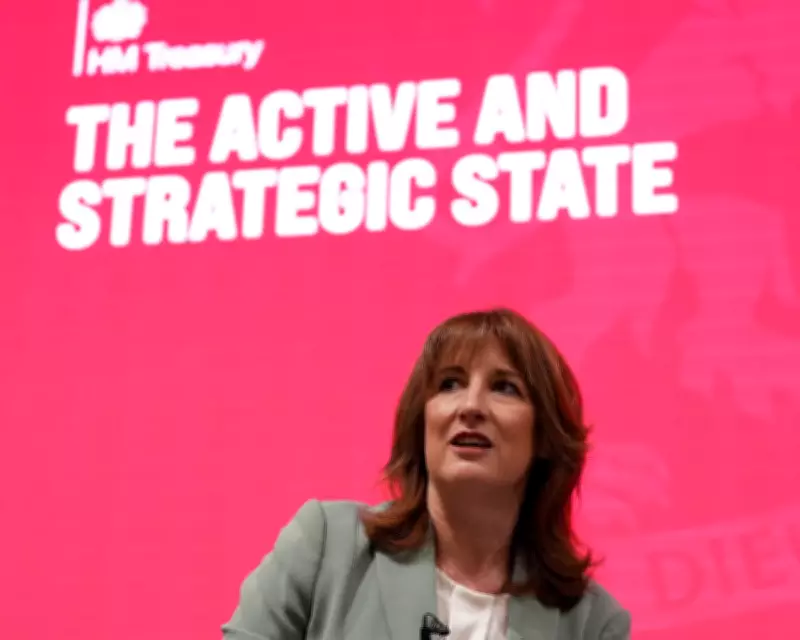
Chancellor Rachel Reeves delivered a major resetting speech this week, sketching a plan for closer EU trade relations, rapid AI adoption, regional tax shifts, and growth corridors to overcome nimbyism. However, a glaring omission has drawn sharp criticism: the sky-high cost of energy for UK industry, which remains one of the highest in the developed world.
Business leaders argue that Reeves's response is too timid, warning that without radical intervention, the UK faces deindustrialisation and lost competitiveness. While Reeves correctly described high energy bills as an inherited problem, industry figures demand more than selective tweaks, calling for a mighty yank on the lever to address this urgent issue.
Industry Voices Sound Alarm on Competitiveness
Stephen Phipson, chief executive of Make UK, praised the EU and regional themes but emphasised that reducing energy prices is the overwhelming priority for business. He stated, "This is the single biggest factor impacting on industry's competitiveness and nothing should be off the table in addressing this. So long as energy prices remain at current levels we will continue to face the threat of deindustrialisation and the loss of key industries."

Steve Elliott from the Chemical Industries Association highlighted the immediate crisis, noting that America pays one quarter of UK industrial energy costs. He pointed out that UK chemicals output fell 60% between 2021 and 2025, with 25 sites closing, underscoring the need for a joined-up strategy beyond last-minute rescues.
Government Schemes Fall Short of Needs
Reeves mentioned the "supercharger" scheme, offering bigger discounts on energy bills from next month, but it covers only 500 heavy users. The "British industrial competitiveness scheme" (BICS) for 7,000 firms from April next year lacks key details, such as funding and the meaning of a discount "up to" 25%. There was no new effort to reset energy costs for the whole industry or remove levies that push prices upwards.
Critics argue these measures are selective bungs and sticking-plaster solutions. Professor Sir Dieter Helm of Oxford University proposes a permanent solution, suggesting industry be given preferential prices based on long-run marginal system costs, rather than loading full network costs onto them. He warns, "What we need is a permanent solution to put British industry on a competitive basis with our rivals overseas or else the limited amount of manufacturing left in this country will crumble too."
Long-Term Challenges and Political Realities
Even as oil and gas prices fluctuate, the crisis of uncompetitive energy costs persists. The rollout of renewables and nuclear is unlikely to reduce costs before the 2040s due to massive network build-out expenses. Helm's other proposals, like flexible carbon prices and take-or-pay contracts for North Sea production, may seem expensive or politically challenging amid concerns over household bills from global conflicts.
If Reeves aims for "a foundation of economic security," as her speech concluded, addressing today's energy costs for industry must be a higher priority. Growing future industries requires facing this challenge head-on, ensuring older sectors survive to utilise the expanded greener grid when it arrives.